- Painless Cooking
- Bread
- Sourdough
How to Make Sourdough Bread
When learning how to make sourdough bread you will find it begins with a starter. This starter can be made in a couple of ways. If properly cared for this starter can last for years. Each time bread is being made a portion of this starter is used along with fresh ingredients.
The sourdough starter is usually about 25% of the final dough. If learning how to make sourdough bread the starter is the leavening power of the bread. Each time the starter is used it must be replaced by more ingredients to keep it going. This method was used years ago with the absence of yeast; before the birth of Christ. Today we make sour dough bread for the great flavor and the heavier texture rather than of necessity. The starter now often begins by adding some commercial yeast. Quite often yeast is added later when combing the final bread ingredients.
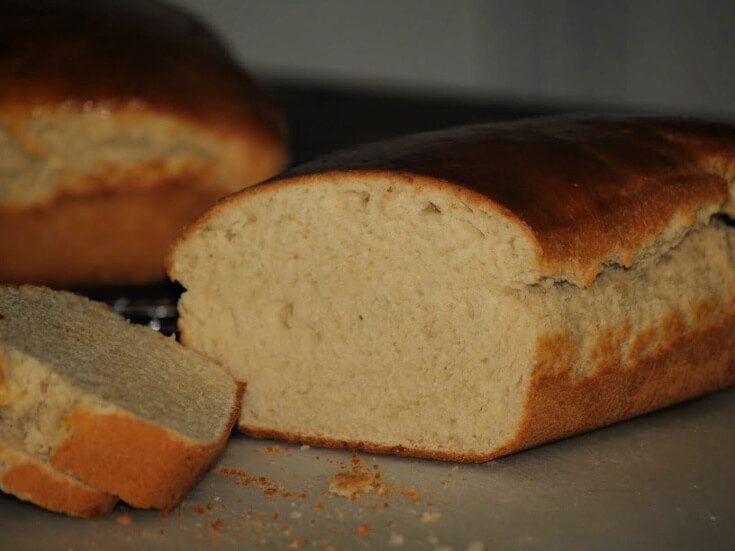
The biggest complaint after learning how to make sourdough bread is the weight gain. Because of the need to replenish the starter on a regular basis, people bake a lot of this bread. It is so delicious that most of the time baking it becomes like an addition. Eating much of this bread can pack on the pounds!
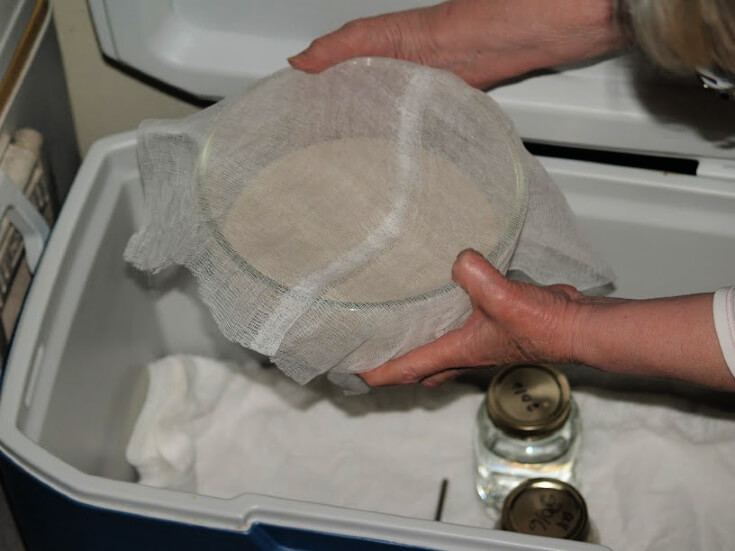
NOTE: You need a warm place (80F to 90F degrees) to place the starter. I use an insulated cooler line it with layers of towels. I then fill canning jars with boiling water to keep the temperature up. The jars need to be refilled with boiling water about every 6 hours.
NOTE: Do not use metal bowls for sour dough; use glass or crocks.
HOW TO MAKE SOURDOUGH BREAD STARTER #1
Learn how to make sourdough bread using yeast. Place in glass bowl or crock 2 CUPS warm water, 2 CUPS flour and 1 TABLESPOON dry yeast; let stand 3 to 4 days. When mixture begins to ferment, skim off the top. Add enough flour and water to make a paste consistency.
Each time the sour dough starter is used replenish with equal parts of milk and flour allowing it to stand several hours to become bubbly. It is best to make a sourdough bread recipe using the starter at least once a week. If the starter is not used for 2 weeks, remove half of the starter and replenish.
Store the sour dough starter in the refrigerator but let stand at room temperature before using. It can also be frozen but must stand at room temperature 24 hours before using.
HOW TO MAKE SOURDOUGH BREAD
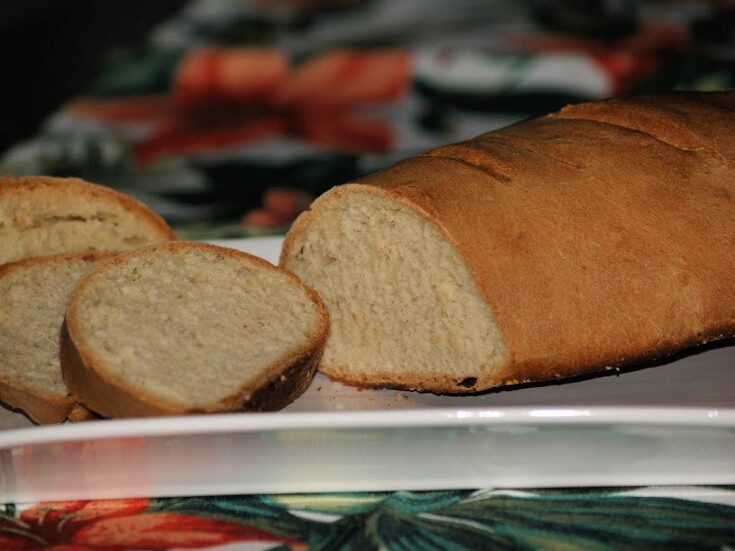
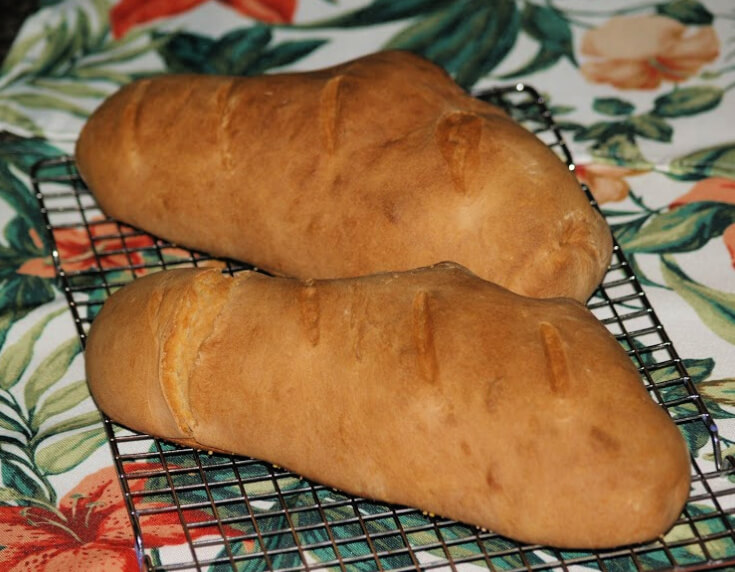
- 1 ½ Cups warm water
- 1 Package yeast
- 1 Cup sourdough starter
- 6 Cups flour (Divided)
- 2 Teaspoons sugar
- 2 Teaspoons salt
- ½ Teaspoon baking soda
Pour warm water into a bowl and dissolve the yeast.
Add starter, 4 CUPS of flour, sugar, salt and soda; stir vigorously.
Place dough into a large greased bowl turning to coat top.
Cover bowl with a clean towel; let rise until double in bulk.
Mix soda with 1 CUP of the remaining flour; stir into dough.
Place REMAINING flour on work surface.
Turn dough onto flour; knead until smooth and elastic.
Shape into 2 loaves; place on a greased baking sheet.
Cover and let rise in a warm place until double in bulk.
Brush tops of loaves with water; with knife make diagonal cuts across tops.
Place a pan of hot water in the bottom of oven while baking bread.
Bake at 400F degrees for 40 to 45 minutes
HOW TO MAKE SOURDOUGH BREAD STARTER NUMBER 2
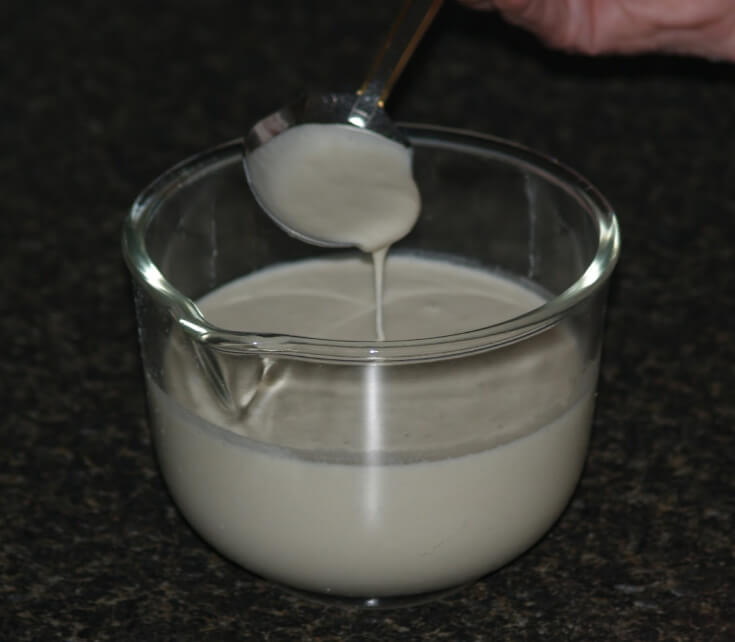
- 1 Package active dry yeast
- 2 ½ Cups warm water (110 to 115F degrees) (Divided)
- 2 Cups flour
- 2 Teaspoons salt
- 3 Tablespoons sugar
Dissolve yeast in ½ CUP of warm water; let stand 5 minutes.
Combine flour, sugar and salt in a glass bowl; stir well.
Gradually stir in the 2 CUPS of warm water; add yeast mixture mixing well.
Cover loosely with cheesecloth; place in warm place 72 hours stirring 2-3 times daily.
NOTE: If you are not ready to use the starter refrigerate it. Let stand to room temperature before using. You will need to use within 11 days.
Before using stir the starter well; measure amount needed for the recipe.
Replenish the starter with the STARTER FOOD recipe below. Set at room temperature 4 to 5 hours and then refrigerate.
NOTE: Each time you use starter replenish with the starter food. Take some out each week and replace it. EVEN IF YOU DO NOT MAKE ANY BREAD.
STARTER FOOD FOR RECIPE #2
- ½ Cup sugar
- 1 Cup flour
- 1 Cup milk
COMBINE all ingredients and add to sourdough starter to replace what is removed.
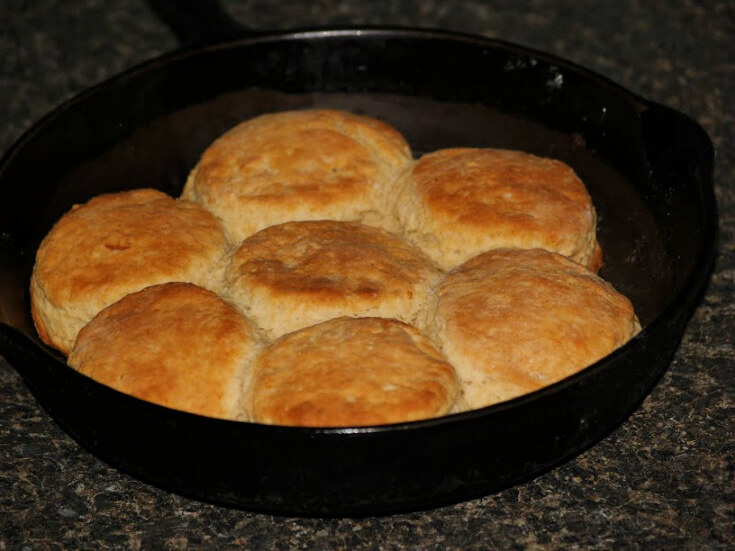
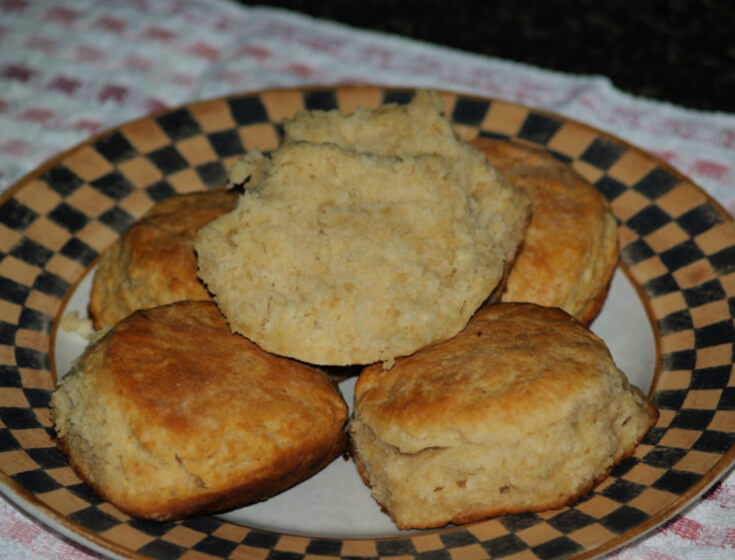
BUTTERMILK SOURDOUGH BISCUITS
- 2 Cups self-rising flour
- ¼ Teaspoon baking soda
- ¼ Cup solid shortening
- ¾ Cup sourdough starter (At room temperature)
- ½ Cup buttermilk
- 1 Tablespoon melted butter
Preheat oven to 425F degrees.
Combine flour and baking soda in a glass bowl stirring well.
Cut in shortening with pastry cutter until crumbly.
Add sourdough starter and buttermilk; stir until all is moist.
Turn dough out onto floured surface; knead lightly 10 to 12 times.
Roll dough to ½ inch thickness; cut with biscuit cutter.
Place biscuits on lightly greased baking sheet; brush with melted butter.
Bake 12 to 15 minutes; makes about 8 to 10.
CRUSTY SOURDOUGH BREAD
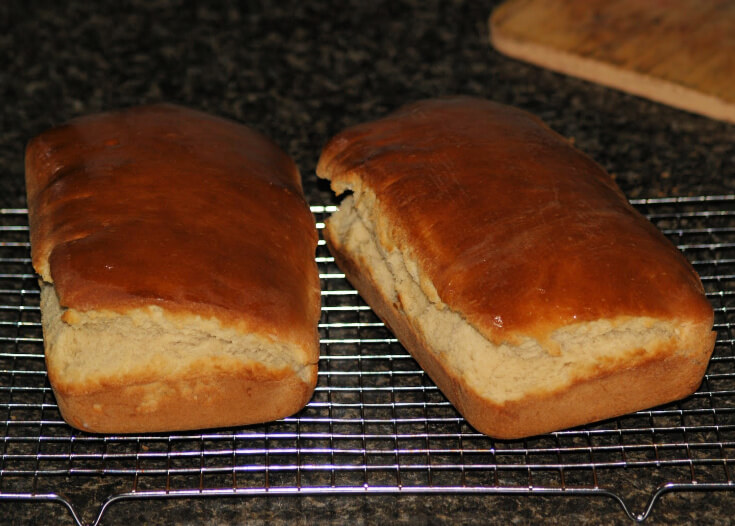
Learn how to make sourdough bread recipe with a crusty outside.
- 2 Packages dry yeast
- 1 ¼ Cups warm water (112F to 115F degrees)
- 1 Cup sourdough starter (At room temperature)
- ¼ Cup vegetable oil PLUS (Divided)
- ¼ Cup sugar
- 2 Teaspoons salt
- 2 Beaten eggs
- 5 ½ Cups to 6 cups flour
- Melted butter
Dissolve yeast in a large glass bowl in warm water; let stand 5 minutes.
Stir in sourdough starter, ¼ CUP oil, sugar, salt, eggs and 3 CUPS of flour.
Gradually stir in enough of remaining flour to make soft dough.
Turn out onto floured surface; knead until smooth and elastic about 10 minutes.
Place in well oiled bowl turning to coat top; cover and let rise about 2 hours until doubled.
Grease 2 loaf pans (9X5 inches); set aside.
Punch dough down and divide in half; roll each half to rectangle (18X9 inches)
Starting at narrow side roll up tightly; pinch seams to seal.
Place loaves seam side down in prepared loaf pans; brush tops with oil.
Cover loaves and let rise about 11/2 to 2 hours until doubled in bulk.
PREHEAT OVEN TO 375F degrees.
Bake loaves for 30 to 35 minutes until loaves sound hollow when tapped.
Removes loaves from pans and brush with melted butter; makes 2 loaves.
SOURDOUGH BREAD RECIPE
- 1 Tablespoon melted butter
- 2 Cups starter
- ½ Teaspoon baking soda
- 1 Teaspoon sugar
- 2 Cups flour
- 1 Teaspoon salt
Add the butter to the starter; add all other ingredients and stir into starter.
Add enough flour to make a soft dough.
Turn dough out onto floured surface and knead until smooth.
Add more flour if needed to prevent being sticky.
Put dough into well greased bowl; let rise in warm place until double in bulk.
Punch down and shape into loaf; place in greased loaf pans.
Cover and let rise until double in bulk; bake at 375F degrees for 30 minutes or until browned.
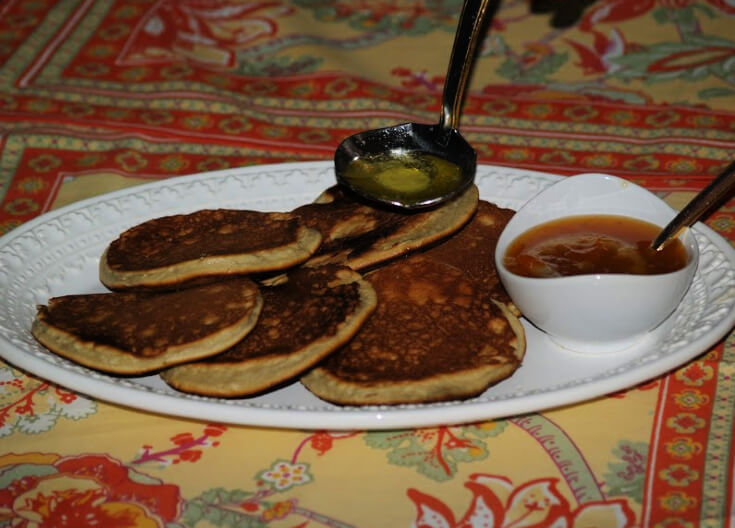
SOURDOUGH PANCAKES RECIPE
- 1 Cup sourdough starter
- 1 Egg separated
- 1 Tablespoon oil
- 1 Tablespoon sugar
- ½ Teaspoon baking soda
- ½ Teaspoon salt
- About 1/3 cup flour (or to desired consistency)
- 2 Tablespoons melted butter
Combine sourdough starter, egg yolk (separated) and oil; add sugar, soda and salt.
Beat in enough flour to preferred consistency.
In a clean bowl with clean beaters beat the egg WHITE until stiff; fold into batter.
Spoon 1/4 cupfuls unto hot griddle; brown on both sides.
NOTE: I spread mine with a spoon into 3 to 4 inch rounds.
Arrange pancakes on serving platter and drizzle with melted butter; serve with syrup, jam or marmalade.
Makes 6 to 7 pancakes.
WHOLEWHEAT SOURDOUGH BREAD STARTER #3
- 4 cups water
- 1 ½ Cups whole wheat flour
- ½ cup honey
- ½ Cup buttermilk
- 1 Tablespoon yeast
- 1 Teaspoon salt
Blend all ingredients together in a glass bowl; stir down a few times as it bubbles up.
Cover with a clean towel and allow to stand at (warm) room temperature for at least 24 hours.
Use immediately or refrigerate until ready to use.
HOW TO MAKE SOURDOUGH BREAD STARTER #4
If you are learning how to make sourdough bread or the starter, you can use the starter with any recipe which includes yeast; 1 cup of starter equals 1 tablespoon of yeast.
- 1 Cup potato water
- 1 ½ Cups flour
- 1 Tablespoon sugar
Stir together and let stand uncovered for 4 or 5 days. It will get bubbly when it begins to work.
Store it in a jar in the refrigerator until you want to use it.
NOTE: Always replenish what you use keeping 1 ½ cups in the jar.
SOURDOUGH CORNBREAD RECIPE
- 1 Cup starter
- 1 ½ Cups canned evaporated milk
- 1 ½ Cups yellow cornmeal
- 2 Tablespoons sugar
- 2 Beaten eggs
- ¼ Cup melted butter
- ½ Teaspoon salt
- ½ Teaspoon baking soda
Preheat oven to 450F degrees.
Combine starter, milk, cornmeal, sugar and eggs; mix well.
Sprinkle on top the slat and soda; add melted butter and stir to blend.
Pour into a greased 10 inch iron skillet; bake until golden brown and center is set about 20 minutes.
WHOLE WHEAT SOURDOUGH STARTER #5
Learn how to make sourdough bread that is whole-wheat.
- 1 Cup nonfat milk
- 1 Teaspoon dry yeast
- 3 Tablespoons plain unflavored yogurt with live cultures
- 1 Cup all purpose whole wheat flour
IT IS IMPORTANT to place milk in a glass or stainless steel bowl.
Place bowl in a pan of hot water until temperature of milk is 95F degrees.
Add yeast to milk and dissolve; stir in yogurt and flour to smooth batter.
Cover with plastic wrap; punch a small hole in plastic.
NOTE: Batter becomes active and should not be “tightly” covered.
Place in a warm place to become active and bubbly for 3 to 4 days.
NOTE: If you do not have a warm place, use a box or thermal cooler. Wrap bowl and place hot jars of water (95F) in the box.
NOTE: The starter SHOULD NOT form any black, blue green or pink spots. If so it needs to be thrown away and started over.
NOTE: Liquid may form on top; simply stir it back together.
Once the starter has settled down, it is ready to be worked.
Work in equal amounts of flour (All purpose or blend) and warm (95F) milk or water.
NOTE: 1 Cup of each make about 1 ½ cups of starter.
Store in refrigerator; warm to room temperature overnight before you want to use.
Add liquid and flour; let stand 8 hours or overnight in warm place to sour and bubble.
Remove amount you need for the recipe; store remainder in refrigerator
NOTE: Use some starter every 2 weeks or discard some and feed it again; let it bubbly before returning to refrigerator.
HOW TO MAKE WHOLE WHEAT SOURDOUGH BREAD
Half of the above sourdough wheat starter
- 2 Cups warm water (112F degrees)
- ¾ Cup honey
- ½ Cup oil
- ¼ Cup dough enhancer
- ¼ Cup wheat gluten OPTIONAL
- 1 Tablespoon salt
- About 3 pounds flour
Combine the water, oil and honey; stir in dough enhancer, gluten, salt and enough flour to form a dough ball.
Cover with a clean towel and let stand 20 minute; adding flour knead until stiff dough and is smooth and elastic.
Divide dough into 3 to 4 loaves; shape and place in 3 to 4 large greased pans.
Let loaves stand in warm place until they rise until doubled in bulk to tops of pans.
PREHEAT OVEN TO 350F degrees; bake about 30 minutes until sounds hollow when tapped.
Sign Up for My Monthly Newsletter to Learn More Great Tips!
What's Cooking


-
How to Make Dinner Rolls
Jan 16, 24 09:01 AM
 Learn how to make dinner rolls with many yeast roll recipes like refrigerator rolls, melt in your mouth rolls, Parker House rolls and Monticello rolls.
 -
My Best Banana Bread Recipe
Jan 16, 24 08:18 AM
 Search for the best banana bread recipe; recipes with sour cream, buttermilk, All Bran Cereal, dates, yeast, blueberries, oatmeal, cornmeal, Spanish recipes, lots of nuts and much more.
 -
Candy Recipes
Jan 16, 24 02:52 AM
 Learn the necessary candy making equipment for your candy recipes; hard tack and coconut balls.
 -
How to Make Thumbprint Cookie Recipes
Jan 16, 24 01:36 AM
 Make one of these tasty recipes for filled cookies like a thumbprint cookie recipes, cream cheese, and chocolate or peanut butter thumbprints.
 -
Christmas Candy Recipes
Jan 09, 24 01:21 PM
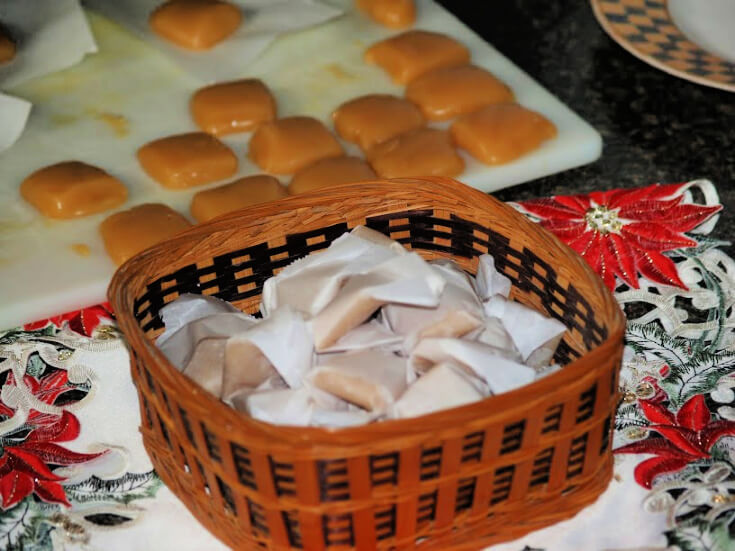 Christmas candy recipes for caramels, heavenly caramels, layered mints, peanut butter balls, English toffee, peanut brittle, coconut nougat squares, triple chocolate fudge, cranberry vanilla fudge, ch…
About Me | Contact Me | Privacy Policy/DISCLAIMER | What's New!
By Frances Peffly Moore © Copyright 2009-2024 painlesscooking.com