- Painless Cooking
- Spices
- Thyme
Cooking with Thyme
Cooking with thyme, which is a short and small leaved plant, has many cultivars providing a wide range of flavors. Additionally, this easily-grown herb can be grown indoors providing fresh thyme year round. Thyme originated in the Mediterranean regions and was quickly transplanted into many European gardens where it flourished as a perennial.
Types of Thyme
Thyme belongs to the mint family and rarely grows taller than eight inches above ground. It prefers a loose, sandy soil and will not die through the winter in many areas. The most common varieties of thyme are French thyme, which has a small narrow leaf, and a broader leafed thyme known as English thyme. An aromatic, ground-covering Lemon thyme is also becoming a favorite of backyard gardeners as this hardy variety grows between paver stones, rock gardens, providing a border plant for other types of flower, vegetable and herb gardens.
Just a Pinch Will Do
Cooking with thyme may require experimentation especially if you are growing your own since thyme is a potent herb and each variety will have a unique flavor and potency. Many cooks recommend that you never add more than one teaspoon of thyme as the potency may over power other flavors. A sprinkle on top of a finished dish including baked ziti and pizza may be just the right amount.
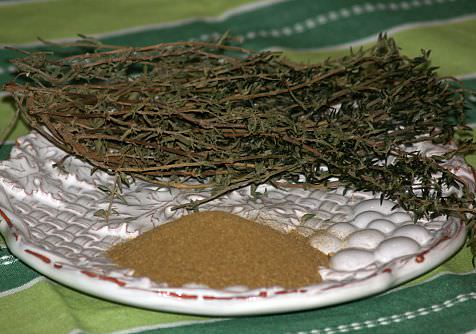
Thyme Do’s
Italian food and meats are often seasoned with thyme; however, many cooks feel that thyme should never be combined with Basil as the two are completely different in taste and should be kept apart. This sentiment goes double for fresh herbs, although Basil vinegars are often used with fresh thyme when making vinaigrette-type salad dressings. Meats and sea-foods can be rubbed prior to marinating with dried or fresh thyme providing a distinctive taste and some nutritional benefits.
Thyme Nutritional Values
Keep in mind when you are cooking with thyme that one teaspoon contains 1% of the daily recommended amount of fiber, vitamin C and A, 2% calcium and 7% of the required amounts of Iron. Thyme has one calorie per teaspoon but 20% of the necessary vitamin K, 4% of the needed manganese and contains phytosterols which the FDA has approved as being beneficial to those with high cholesterol and heart disease.
Health Benefits of Cooking with Thyme
Protecting the body from disease is easy when cooking with thyme
especially since the anti-oxidant properties of thymol, a primary
chemical compound found in thyme improves brain function as well as
protecting cell membranes. Ancient people used thyme to help preserve
food and researchers are just now beginning to appreciate the
antimicrobial properties of this plant. In addition to being easy to
include in the daily diet, thyme has shown promise at destroying a wide
range of bacterial agents including staphalococcus aureus, bacillus
subtilis, E. coli and shingella sonnei, which causes intestinal distress
much like dysentery.
Thyme Vegetable Rinse
Since thyme is capable of destroying disease-causing bacteria and
fungi, preparing a rinsing solution for fresh foods and vegetables
provides a natural alternative to help keep your fresh foods safe. Place
one tablespoon of dried thyme or two tablespoons of fresh thyme in one
quart of water, allow to steep, strain and use to rinse fresh fruits and
vegetables before eating.
Thyme can be added to almost any food including bean, rice and egg dishes and the following recipes.
WESTERN POTATO SALAD RECIPE
- 1 ½ Pounds red potatoes cooked and peeled
- ¼ Cup chopped green onions
- 4 Tablespoons lemon juice divided
- 2 Tablespoons vegetable oil
- 2 Tablespoons minced fresh parsley
- ½ Teaspoon salt
- ¼ Teaspoon pepper
- ¾ Cup thinly sliced celery
- 1 Pound fresh asparagus cut in pieces
- ½ Cup sour cream
- 2 Tablespoons Dijon mustard
- 1 Teaspoon dried thyme
- 1 Teaspoon dried tarragon
Cut potatoes on a large bowl; set aside.
In a large jar with lid combine onions, 3 tablespoons lemon juice, oil, parsley, salt and pepper.
Adjust lid to jar and shake well; pour mixture over the potatoes and toss gently.
Add the celery and set aside.
Cook asparagus in a little water until tender crisp 3 to 4 minutes; submerge in ice water to cool and drain well.
Add asparagus to the potato mixture.
In a small bowl combine sour cream, mustard, thyme, tarragon and remaining lemon juice; blend.
Fold sour cream mixture into potato mixture; mix well and serve.
Serves 12.
TURKEY AND RYE DRESSING RECIPE
- 1 Pound day old light rye bread cubed
- ½ Pound day old dark rye bread cubed
- 1 ½ Cups chopped onion
- 2 Large cooking apples peeled and chopped
- 1 Cup chopped celery
- 4 Cloves minced garlic
- ½ Cup butter
- ¾ cup chopped salted mixed nuts
- 2 Tablespoons dried parsley
- 2 Teaspoons salt
- 2 Teaspoons dried thyme
- 1 ½ Teaspoons dried sage
- ¾ Teaspoon dried rosemary
- ½ Teaspoon pepper
- ¼ Teaspoon nutmeg
- 3 ½ Cups chicken broth
- 1 Turkey (12 to 14 pounds)
- 2 Tablespoons cooking oil
Toss bread cubes in a large bowl; set aside.
Melt butter in a large skillet; sauté onion, apple, celery and garlic until vegetables are tender.
Add to the bread bowl the vegetables, nuts, seasonings and enough broth to moisten.
PREHEAT OVEN TO 325F degrees.
Stuff the turkey just before roasting; skewer opening of turkey together and place on rack in roasting pan.
Brush turkey with oil; cover lightly with a tent of foil.
Bake for 4 ½ to 5 hours or until thermometer reaches 185F degrees.
Brush turkey occasionally with oil during baking.
REMOVE ALL STUFFING FROM TURKEY BEFORE STORING.
Extra stuffing can be baked in a greased casserole dish.
Sign Up for My Monthly Newsletter to Learn More Great Tips!
What's Cooking


-
How to Make Dinner Rolls
Jan 16, 24 09:01 AM
 Learn how to make dinner rolls with many yeast roll recipes like refrigerator rolls, melt in your mouth rolls, Parker House rolls and Monticello rolls.
 -
My Best Banana Bread Recipe
Jan 16, 24 08:18 AM
 Search for the best banana bread recipe; recipes with sour cream, buttermilk, All Bran Cereal, dates, yeast, blueberries, oatmeal, cornmeal, Spanish recipes, lots of nuts and much more.
 -
Candy Recipes
Jan 16, 24 02:52 AM
 Learn the necessary candy making equipment for your candy recipes; hard tack and coconut balls.
 -
How to Make Thumbprint Cookie Recipes
Jan 16, 24 01:36 AM
 Make one of these tasty recipes for filled cookies like a thumbprint cookie recipes, cream cheese, and chocolate or peanut butter thumbprints.
 -
Christmas Candy Recipes
Jan 09, 24 01:21 PM
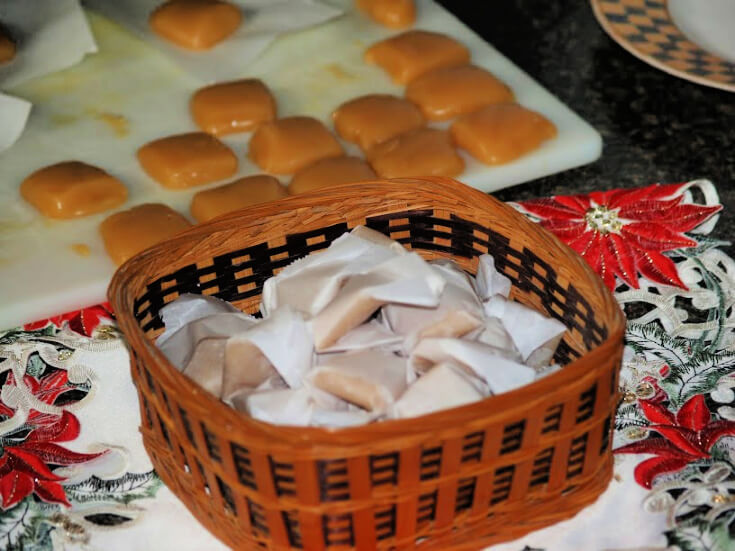 Christmas candy recipes for caramels, heavenly caramels, layered mints, peanut butter balls, English toffee, peanut brittle, coconut nougat squares, triple chocolate fudge, cranberry vanilla fudge, ch…
About Me | Contact Me | Privacy Policy/DISCLAIMER | What's New!
By Frances Peffly Moore © Copyright 2009-2024 painlesscooking.com