- Painless Cooking
- How to Cook
- Measurement Chart
Cooking Measurement Chart
For accuracy in recipes memorize a basic cooking measurement chart.
For dry ingredients buy two 1 - cup measuring cups, each with the 1-cup line at the rim, or buy a nest of 4 graduated measuring cups, consisting of a 1/4 cup, 1/3 cup, 1/2 cup, and 1 cup measure. A nest of cups makes accurate measuring easy.
NOTE: Unless specified, brown sugar is ALWAYS measured packed down in cup. An easy way to do this is to fill the correct cup size with the sugar, then use the next smaller size to pack the sugar down. Keep filling until correct cup size is level.
A cooking measurement chart refers to cups for dry measuring and cups for liquid measuring. Solid shortening is measured in the dry measuring cups and oil is measured in the liquid cups. Most dry ingredients are piled in the measuring cup, and then leveled with a knife or flat utensil for accurancy.
When a recipe calls for sifted flour, measure the amount into a flour sifter over a bowl or plate. Sift it twice and then spoon lightly into cup to remeasure amount for recipe. You will have flour left over that you do not use. When measuring brown sugar, unless otherwise stated in the recipe. you always pack it firmly in the measuring cup. Use the back of the spoon for doing this.
Liquid cooking measurement: Buy a 1-cup measuring cup that has a rim above the 1-cup line to avoid spilling. The 2-cup and 1-quart measuring cups are also very convenient. When measuring, place cup on solid, leveled surface before filling. View at eye level for accuracy.
Solid shortening, butter or margarine: Pack these into the dry measuring cup as called for in the recipe. Be sure it is packed down so all air is removed. Then take a flat knife or spatula and level top for accuracy.
Melted shortening or oil: Measure in the liquid measuring cup as other liquids. If a recipe calls for melted shortening, always measure after melting.
For accurate measuring when using the cooking measurement chart, you will need to have a set of measuring spoons. Buy one or more sets of measuring spoons attached to a ring. It will contain the following spoons: 1/4 teaspoon, 1/2 teaspoon, 1 teaspoon and 1 tablespoon. When measuring by the spoons, always make sure it is filled to the top of whichever spoon.
CONCH CHOWDER RECIPE
Refer to cooking measurement chart for converting quart into cups and ounces into cups.
- 1 ½ Pounds conch
- ¼ Pound diced salt pork
- 1 Cup diced onion
- 2 Cups diced celery
- 20 Ounces cooked chopped tomatoes
- 2 Teaspoons salt
- ¾ Teaspoon black pepper
- 1 ½ Teaspoons dried thyme
- 2 Quarts boiling water
- 2 Quarts diced potatoes
Grind conch and set aside.
Brown salt pork; drain drippings leaving 2 tablespoons; remove salt pork and reserve for garnish.
Sauté onions and celery in 2 tablespoons drippings for 15 minutes on low heat; stir frequently.
Add tomatoes, salt, pepper, thyme and boiling water; add conch and potatoes.
Cook over low heat for two hours; garnish with salt pork to serve.
COOKING MEASUREMENT CHART
|
Pinch 1 Tablespoon 2 Tablespoons 4 Tablespoons 5 1/3 Tablespoons 8 Tablespoons 10 2/3 Tablespoons 12 Tablespoons 1 oz liquid 4 oz liquid 8 oz liquid 16 Tablespoons 1 cup 2 cups 4 cups 2 pints 4 quarts |
1/8 teaspoon or less 3 teaspoons 1/8 cup 1/4 cup 1/3 cup 1/2 cup 2/3 cup 3/4 cup 2 Tablespoons 1/2 cup 1 cup 1 cup 1/2 pint = 16 fluid ounces 1 pint = 16 fluid ounces 1 quart = 32 fluid ounces 1 quart = 32 fluid ounces 16 cups = 1 gallon = 128 fluid ounces |
DRIED TOMATO PASTA RECIPE
Refer to cooking measurement chart above for measurement conversions.
- 16 Ounces uncooked mostaccioli pasta
- 8 Ounces chicken broth
- 2 Ounces sun dried tomatoes
- 1 Tablespoon olive oil
- 1 Tablespoon flour
- ¼ Cup milk
- 2 Ounces cream cheese diced
- 2 Tablespoons dried basil
- ½ Teaspoon salt
- ¼ Teaspoon black pepper
- 1 Teaspoon sugar
- ¼ Cup freshly grated Parmesan cheese
- 2 Large cloves minced garlic
- Freshly grated Parmesan cheese for garnish
Cook pasta until still firm but not hard; drain and keep warm.
Heat broth; add tomatoes and let stand to rehydrate.
Heat oil in a large skillet over medium heat; blend in flour then add milk and cream cheese.
Remove tomatoes from broth and set aside; add broth to white sauce.
Snip tomatoes into small pieces and add to sauce.
Add basil, salt, pepper, sugar, Parmesan cheese and garlic to sauce; simmer to blend flavors.
Combine sauce and pasta and toss to coat evenly; serve with additional Parmesan.
EASY LASAGNA RECIPE
Some delicious dishes can be made with Campbells Soup recipes. Always pay attention to the ounces in each soup can; they vary from soup to soup. Refer to the cooking measurement chart to have a general idea of the cups you are using in the recipe.
- 1 Pound ground beef
- 1 Can (11 ½ ounces) condensed Italian tomato soup
- 1 Cup water
- 1 Can (10 ¾ ounces) condensed cream of mushrooms soup
- 2 Cups shredded mozzarella cheese (8 ounces weight)
- ¼ Cup milk
- 6 Dry lasagna noodles
Cook beef in skillet stirring to separate; spoon off fat and add tomato soup and water.
Stir and heat through; remove from heat.
Combine mushroom, ½ cup of cheese and milk.
Spoon half of meat mixture in 2 quart baking dish; top with 3 lasagna noodles.
Spoon mushroom mixture over lasagna noodles; top with 3 remaining lasagna noodles.
Add remaining meat mixture; cover tightly with foil.
Bake at 400F degrees for 40 minutes; uncover and top with remaining cheese.
Bake 10 minutes (without cover) until hot and bubbly; let stand 10 minutes before serving.
Sign Up for My Monthly Newsletter to Learn More Great Tips!
What's Cooking


-
How to Make Dinner Rolls
Jan 16, 24 09:01 AM
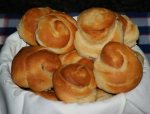 Learn how to make dinner rolls with many yeast roll recipes like refrigerator rolls, melt in your mouth rolls, Parker House rolls and Monticello rolls.
 -
My Best Banana Bread Recipe
Jan 16, 24 08:18 AM
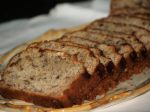 Search for the best banana bread recipe; recipes with sour cream, buttermilk, All Bran Cereal, dates, yeast, blueberries, oatmeal, cornmeal, Spanish recipes, lots of nuts and much more.
 -
Candy Recipes
Jan 16, 24 02:52 AM
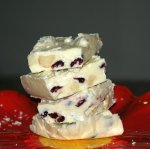 Learn the necessary candy making equipment for your candy recipes; hard tack and coconut balls.
 -
How to Make Thumbprint Cookie Recipes
Jan 16, 24 01:36 AM
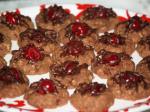 Make one of these tasty recipes for filled cookies like a thumbprint cookie recipes, cream cheese, and chocolate or peanut butter thumbprints.
 -
Christmas Candy Recipes
Jan 09, 24 01:21 PM
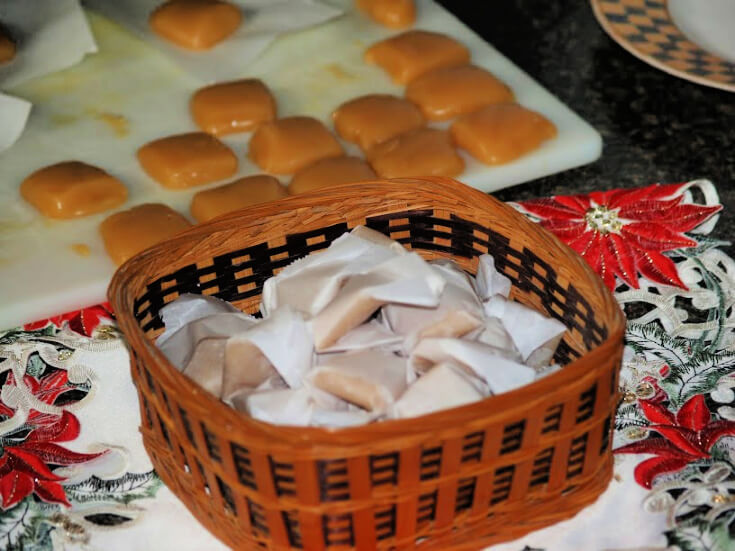 Christmas candy recipes for caramels, heavenly caramels, layered mints, peanut butter balls, English toffee, peanut brittle, coconut nougat squares, triple chocolate fudge, cranberry vanilla fudge, ch…
About Me | Contact Me | Privacy Policy/DISCLAIMER | What's New!
By Frances Peffly Moore © Copyright 2009-2024 painlesscooking.com