- Painless Cooking
- Cheap Cooking
- How to Grocery Shop
How to Grocery Shop to Save Money
Learning how to grocery shop for cheap cooking is a must for cheap living; an important point I make in "How to Survive Inflation with the Rising Cost of Food". Buying groceries accounts for the majority of a family’s monthly income. Today more than ever before grocery products are rising at a rapid rate. The following are some rules to follow to save money.
- When you are doing budget cooking learn how to shop for cheap cooking as infrequently as possible. Try going to the grocery store one or two times a month if possible. Less often is even better. Most people will pick up extras each time they go into a store. This will cost money. If you run out of something, use what you have until shopping day arrives.How to grocery shop is an acquired skilled.
- Never go to a store for one or two items. Not only do you spend more money on groceries, it cost money in gas. I always keep some canned milk and dry milk on hand in case I run out of fresh milk. If you run out of bread, learn to whip up some biscuits or cornbread. Maybe keep a couple loaves of bread in the freezer. Fresh vegetables can be replaced with vegetables in the can or frozen ones.
- Never go into a grocery store without a grocery list. This is the most important lesson in how to grocery shop for cheap cooking. AND STICK TO THE LIST! Plan your menu of cheap recipes for the period of time you will be shopping for. Base on this, make your grocery list. Figure how much meat you will need to buy, how much fresh produce and how many canned food. Everything you need to buy should be on this list, including your paper products and cleaning supplies. You should also have down how much of each item is needed. Not only will this list save you money but also time that you have to spend shopping.
- Plan ahead by reviewing grocery ads. This will let you know the specials for the week. Try calling your local groceries. Ask if there are any in-store specials. Maybe the store might be clearing some items out. If it is cheaper to purchase larger quantities, you can always use it in leftover recipes. This might be a chance to stock up on canned goods or other items.
- Learning how to grocery shop for cheap cooking includes knowing when the best time is to shop. Plan to go to the grocery when they have the least business. It is easier to get around and look for the specials. When you arrive at the grocery check all the clearance sections. You might find meat or milk approaching its “sell-by” date. Overripe produce is another good buy. Extra ripe bananas at a “low” price are good to peel and throw in a freezer bag and freeze for use in breads and desserts. Vegetables about to go bad are good frozen for soups and stews. Even milk can be frozen for later use.
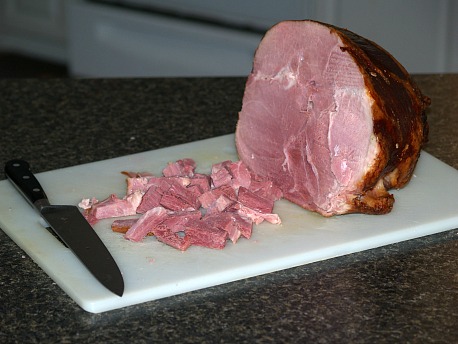
NOTE: I purchased this (almost) 20 pound boneless ham (pictured above) for $18.45. Most hams this size come from very large hogs and these usually have a lot of fat in them. This is an important note when you are learning how to grocery shop. I bought it mainly for seasoning cheap recipes like dried beans and green beans; that price was even good for this purpose. Even though it was cheap, I found very little fat in it. I was able to dice 8 cups of the ham to make 4 casseroles, I cut about 6 cups in larger chunks (this can also be diced if I want), I cut a large ham steak, many pounds of sliced ham and 2 quarts of ham with fat for seasoning. I put most of this in the freezer and it is ready for quite a few deliciously flavored cheap recipes.
- Meat uses up a large portion of your grocery budget. Always try to find it on sale. Unless it is on sale and even then there are some selections that are the best choices for your budget. Hamburger is always one of the best choices. It can be used in many different ways so the family won’t get tired of their meals. You can find it on sale quite often and you don’t have to have the very best lean quality for many dishes. Chicken is another good choice but remember the cut of the chicken makes a world of difference in price. Chicken breasts are always much higher in price. The leg and thigh pieces are very economical to make meals from. Most people do not like beef liver but when children were young, I fixed it once a week. I would have rice and vegetables with it. What a cheap meal!
- When you know how to grocery shop for cheap cooking, you will always have a little cash put back for when you find sales. This is the time to buy extras. When you do buy extras, get them ready for storage immediately and follow emergency food storage procedures. If they are near an expiration date, don’t let it set in the refrigerator. Wrap it and get it to the freezer.
- One money saving rule that I have always followed is to never buy prepackaged foods. When you consider the price and the quantity, I have never found it cheaper to purchase prepackaged items.If you are learning how to grocery shop for cheap cooking and are one who is prone to buy packaged things like biscuit mix, learn to make your own. I do admit it is very convenient to have on hand for many recipes but it is easy and cheap to mix together.
- Coupons… I am not real fond of coupon collecting. I have found that most items with a coupon are not normally on my grocery list. Unless it is an item that you normally use, it is a waste of money. I find that people who use a lot of coupons actually spend more money than they would by not using them.
Basic Recipes When You Know How to Grocery Shop
EASY ITALIAN CASSEROLE
- 1 Pound hamburger
- ½ Cup chopped onion
- 1 Clove crushed garlic
- 1 Can (15 ounces) tomato sauce
- 1 Can (4 ounces) mushrooms drained
- 1 Teaspoon sugar
- ½ Teaspoon dried oregano
- ½ Teaspoon dried basil
- ¼ Teaspoon salt
- ¼ Teaspoon pepper
- 2 Cups biscuit baking mix
- ½ Cup water
- 1 Egg
- 8 Slices American cheese
- ¼ Cup grated Parmesan cheese
Cook and stir hamburger, onion and garlic over medium heat until beef is brown.
Stir in tomato sauce, mushrooms, sugar, oregano, basil, salt and pepper.
Heat mixture to boiling, reduce heat and simmer for 10 minutes.
Preheat oven to 400F degrees.
Grease a 9 inch square baking casserole or pan.
Combine baking mix, water and egg; spread half in pan.
Pour half of meat mixture over the dough mixture; cover with 4 slices of cheese.
Spread remaining meat mixture over the cheese; top with remaining 4 slices of cheese.
Sprinkle with Parmesan cheese; drop remaining dough on top by spoonfuls.
Bake uncovered until golden brown about 20 to 25 minutes.
CHICKEN PIE RECIPE
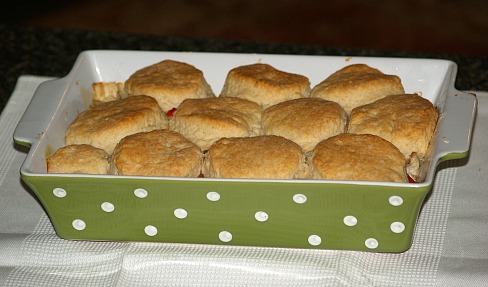
Knowing
how to grocery shop will save not only money but also time. This chicken
pie recipe can made in advance and put in the freezer for a quick meal.
- 1 Whole chicken boiled (or boil 5 pieces of leg and thigh together, whichever is cheaper)
- 2 Cups chicken broth
- 2 Tablespoon cornstarch
- 1 Can cream of mushroom soup undiluted
- 1 Can cream of celery soup undiluted
- Salt/pepper to taste
- 16 Ounce package frozen peas (thawed)
- 2 Cups diced cooked carrots
- 4 Ounces diced pimientos
- 1 Recipe of biscuits
Cook chicken until tender and remove meat from bones; reserve broth.
Place peas and carrots into a large casserole baking dish.
Cut chicken into small pieces on top of vegetables; top with pimientos.
Mix a little water with cornstarch until smooth and blend into boiling broth.
Cook broth while stirring until a little thickened like gravy; add both cans of soup.
Season gravy with salt and pepper.
Pour gravy over chicken; top pie with a recipe of biscuits.
Place in preheated oven at 350F degrees until biscuits are brown and done. About 60 minutes.
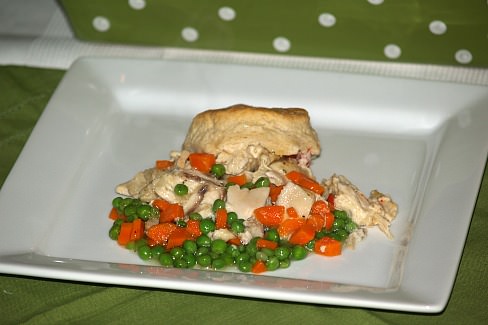
EASY BAKED CHICKEN RECIPE
When
you learn how to grocery shop for cheap cooking you will find chicken
dishes like this easy baked chicken recipe make cheap recipes to feed
your family.
- 1 Whole chicken
- Butter or fat
- Salt
To prepare chicken for baking rub inside and out with melted butter; salt and pepper to taste.
Wrap chicken in foil; bake for 45 minutes in preheated oven at 375F degrees.
Note: At this point you can remove the chicken from oven and drain broth off to make stuffing. Place stuffing around chicken, rewrap and place back in oven until well done (about 45 minutes longer).
If only baking chicken bake for 1 hour or until chicken is very tender and done.
Sign Up for My Monthly Newsletter to Learn More Great Tips!
What's Cooking


-
How to Make Dinner Rolls
Jan 16, 24 09:01 AM
 Learn how to make dinner rolls with many yeast roll recipes like refrigerator rolls, melt in your mouth rolls, Parker House rolls and Monticello rolls.
 -
My Best Banana Bread Recipe
Jan 16, 24 08:18 AM
 Search for the best banana bread recipe; recipes with sour cream, buttermilk, All Bran Cereal, dates, yeast, blueberries, oatmeal, cornmeal, Spanish recipes, lots of nuts and much more.
 -
Candy Recipes
Jan 16, 24 02:52 AM
 Learn the necessary candy making equipment for your candy recipes; hard tack and coconut balls.
 -
How to Make Thumbprint Cookie Recipes
Jan 16, 24 01:36 AM
 Make one of these tasty recipes for filled cookies like a thumbprint cookie recipes, cream cheese, and chocolate or peanut butter thumbprints.
 -
Christmas Candy Recipes
Jan 09, 24 01:21 PM
 Christmas candy recipes for caramels, heavenly caramels, layered mints, peanut butter balls, English toffee, peanut brittle, coconut nougat squares, triple chocolate fudge, cranberry vanilla fudge, ch…
About Me | Contact Me | Privacy Policy/DISCLAIMER | What's New!
By Frances Peffly Moore © Copyright 2009-2024 painlesscooking.com