- Painless Cooking
- Spices
- Cumin
What is Cumin?
What is cumin? Growing naturally in hot areas of the world such as Egypt, North Africa, India and South America, cumin is a powerful spice used in a variety of foods, especially chili con carne, stews, soups and enchiladas. It exudes a rich, sweetly spicy aroma while tasting pungently warm and slightly bitter. Resembling caraway seeds, cumin seeds are lighter colored, larger and a bit hotter tasting. Cumin seeds grow on a slender plant preferring sandy soil that usually reaches around ten inches in height. While the pink or white flowers bloom in the middle of summer, the seeds are generally ready to be harvested about one month afterward.
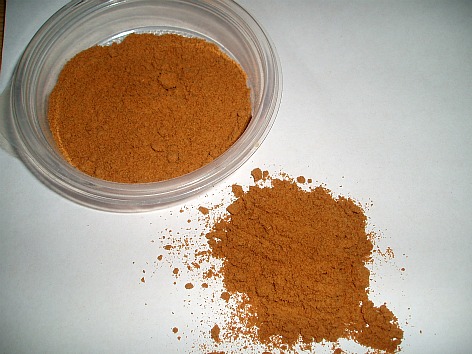
What is Cumin Spice?
Cumin spice is made from cumin seeds which have been gently roasted
first, then ground into a fine powder. Whole cumin seeds can also be
used in certain recipes. Ground cumin should be kept in an airtight
container to prevent loss of pungency, while whole seeds do not need
such protection. Use cumin carefully in foods, however, as just a little
bit is needed to correctly flavor the dish. As a rule, only a teaspoon
or less is necessary, depending on the amount of food being enhanced by
the cumin spice.
What is Cumin Used For in Medicinal Potions?
Cumin contains vitamins and minerals and is said to increase appetite
when used in tonics. In addition to protein, niacin, folate and
calcium, cumin also contains vitamins B, C, and E and iron and
magnesium. Some health issues for which it is used as a treatment
include:
- water retention
- diarrhea
- colic
- alleviate nausea
- stomachache
- relieving spasms
- hoarseness
A common use for cumin seeds in Sri Lanka is to boil them in water to create a tea that soothes morning sickness early in pregnancy. Holistic practitioners in South Asia give cumin seeds to those who have trouble digesting food without cramping, which actually correlates with research evidence that points to cumin possibly containing enzymes which may help break down hard-to-digest foods.
Respiratory ailments can be treated by drinking cumin tea two or three times a day. If a sore or lumpy throat accompanies a cold, add dry ginger to the tea to soothe the irritation. You can also apply cumin as a poultice for boils or other skin eruptions. Use a paste made from cumin powder and water and apply (don't rub) to the blemish.
What is Cumin Seasoning?
Anyone who likes Thai, Indian or Mexican cooking will love using cumin in their food. A favorite Indian dish below that uses cumin is Curried Cumin Potatoes.
CURRIED CUMIN POTATOES
- 2 Pounds new potatoes, cut into 1/4 inch thick pieces
- 2 Tablespoons olive oil
- 2 Tablespoons cumin seed
- 2 Teaspoons ground turmeric
- 2 Teaspoons curry powder
- 2 Teaspoons coarse sea salt
- 1 Teaspoon ground black pepper
- 3 Tablespoons chopped fresh cilantro
Put whole potatoes into a large pan of water and boil, cooking the potatoes until they are tender.
Cut them into quarters and set aside.
Then heat oil in a sauté pan and add cumin, curry and turmeric powder, letting them cook for one minute.
Add potatoes and sauté these ingredients until the potatoes are toasted.
Before serving, mix potatoes with sea salt, cilantro and pepper.
BEEF ENCHILADAS RECIPE
Sauce:
- 1 Can (20 ounces) V-8 juice
- ½ Can water
- 2 Tablespoons cooking oil PLUS EXTRA
- 1 Tablespoon flour
- 3 Cloves minced garlic
- ¼ Teaspoon oregano
- ¼ Teaspoon cumin
- 2 Tablespoons chili powder
- ½ Teaspoon salt
- 1 Pound ground beef
- ½ Cup chopped onion
- ¼ Teaspoon salt
- ¼ Teaspoon cumin
- 4 Ounces green canned chilies diced
- 8 Ounces salsa
- Corn tortillas
- 1 Pound grated Cheddar cheese
- 1 Can chopped ripe olives
Heat V-8 juice and water in saucepan.
Heat oil in a large heavy skillet; brown flour, garlic, oregano, cumin, chili powder and salt
Stir in juice mixture; simmer 20 minutes and set aside.
TO MAKE FILLING brown beef and onion; add salt, cumin, chilies and salsa and set aside.
PREHEAT OVEN TO 375F degrees.
TO ASSEMBLE soften tortillas in a little hot oil; spoon filling, olives and cheese in center.
Roll up tucking ends under; place in casserole baking dish.
After all filling has been used cover with sauce; top with grated cheese.
Bake 20 minutes; serve with lettuce, salsa, fried rice and refried beans.
What is cumin when it is referred to as black cumin? Black cumin is not the cumin used in food but is a cumin seed originating from a plant belonging to the same family as the spicy cumin seed. Black cumin oil is available in health food stores in capsule form and is said to contain even more health benefits than its relative the spicy cumin.
Sign Up for My Monthly Newsletter to Learn More Great Tips!
What's Cooking


-
How to Make Dinner Rolls
Jan 16, 24 09:01 AM
 Learn how to make dinner rolls with many yeast roll recipes like refrigerator rolls, melt in your mouth rolls, Parker House rolls and Monticello rolls.
 -
My Best Banana Bread Recipe
Jan 16, 24 08:18 AM
 Search for the best banana bread recipe; recipes with sour cream, buttermilk, All Bran Cereal, dates, yeast, blueberries, oatmeal, cornmeal, Spanish recipes, lots of nuts and much more.
 -
Candy Recipes
Jan 16, 24 02:52 AM
 Learn the necessary candy making equipment for your candy recipes; hard tack and coconut balls.
 -
How to Make Thumbprint Cookie Recipes
Jan 16, 24 01:36 AM
 Make one of these tasty recipes for filled cookies like a thumbprint cookie recipes, cream cheese, and chocolate or peanut butter thumbprints.
 -
Christmas Candy Recipes
Jan 09, 24 01:21 PM
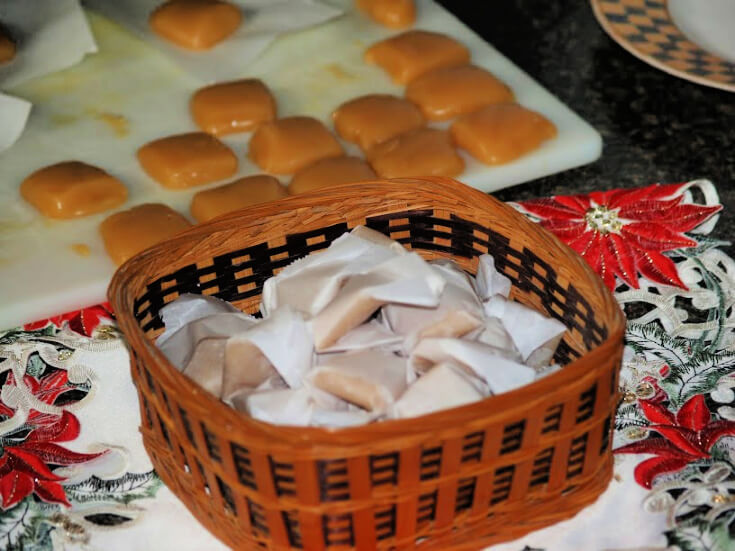 Christmas candy recipes for caramels, heavenly caramels, layered mints, peanut butter balls, English toffee, peanut brittle, coconut nougat squares, triple chocolate fudge, cranberry vanilla fudge, ch…
About Me | Contact Me | Privacy Policy/DISCLAIMER | What's New!
By Frances Peffly Moore © Copyright 2009-2024 painlesscooking.com