- Painless Cooking
- Spices
- Sumac
What is Sumac?
What is sumac? Usually when sumac is mentioned, people immediately think of "poison sumac", but did you know that sumac is also a spice? Sumac is cultivated from berries growing on wild bushes that are native to North America, Mexico, Asia and Africa, as well as Australia, the Mediterranean and Middle East regions. Most Arabic recipes include sumac spice because of its sharply sour yet fruity flavor.
In order to extract the spice, sumac berries are first dried, then ground into a magenta-colored powder, which is then sprinkled on food during the cooking process. An alternative to this method is to soak berries in very hot water before mashing them for their juice.
The sumac bush can grow up to ten feet tall and has grayish-red stems and slightly hairy branches. White flowers surround the berry cluster, with each berry enclosed in a soft, prickly covering. As an easily grown plant, sumac actually thrives in poorer soils, such a mountainous soil, and can be found in even greater quantities higher up on any given mountain.
What Is Sumac Used For as a Medicinal Tonic?
Sumac berries contain chemicals with diuretic properties which can relieve water retention and bowel problems. It is also given to reduce fevers and prevent wounds from becoming infected due to its anti-microbial qualities. Historically, sumac was used in Islamic countries hundreds of years ago as a treatment for a variety of health issues, and many of these same countries still rely on its medicinal benefits.
In the United States, Native Americans have used sumac to cure health problems for hundreds of years. This plant contains beneficial vitamins and minerals such as calcium malate, iodine, dihydrofisetin, and tannic acids which have been implemented in successfully treating diabetes and some cancers. The bark and roots of the sumac bush are made into a tonic which is said to alleviate bladder infections, dysentery and skin eruptions. A poultice made from the flowers is used to treat eye problems and as a salve for open wounds. In addition, to medicinal properties, sumac berries have been found to make an excellent dye for wool.
What Is Sumac Used For in Food?
Sumac will add a delightfully tart and almost lemony taste to food. However, it is considered more of a condiment rather than something you would actually put into dishes before cooking them. In the Middle East, sumac is famous for being the principle ingredient in "za'atar", a spice mixture that also contains sesame seeds, salt and thyme. This is regularly sprinkled on flatbreads, vegetables and blended with olive oil to make a sort of dip.
What is Sumac Syrian Bread Salad?
Also known as "fa-toosh", this salad is a popular dish in Syria and served in many restaurants as an appetizer.
- 2 Large loaves of pita bread
- 1/2 Bunch parsley
- 1 Large cucumber
- 1/2 Bunch of fresh mint
- 1/4 Cup of dried mint
- 1/2 Bunch green onions
- 1/2 Cup sumac
- 3/4 Cup olive oil
- Juice of three to four fresh lemons
- Salt and pepper to taste
Broil the pita bread until it is crispy.
Dice all of the vegetables into small pieces than add sumac, olive oil and lemon juice.
Slice or break the broiled pita bread into bite-size chunks and blend with the salad.
Poison Sumac
Be aware that poison sumac bushes and their white berries, which grow in the United States, are poisonous and cannot be consumed. If the sap of this sumac plant gets on your skin, you may develop a rash which can be mild or severe, depending on your reaction response. Knowing what is sumac in regards to the beneficial kind found in the Middle East and those plants which grow in North American forests can prevent you from potentially receiving a fairly painful case of blisters.
Sign Up for My Monthly Newsletter to Learn More Great Tips!
What's Cooking


-
How to Make Dinner Rolls
Jan 16, 24 09:01 AM
 Learn how to make dinner rolls with many yeast roll recipes like refrigerator rolls, melt in your mouth rolls, Parker House rolls and Monticello rolls.
 -
My Best Banana Bread Recipe
Jan 16, 24 08:18 AM
 Search for the best banana bread recipe; recipes with sour cream, buttermilk, All Bran Cereal, dates, yeast, blueberries, oatmeal, cornmeal, Spanish recipes, lots of nuts and much more.
 -
Candy Recipes
Jan 16, 24 02:52 AM
 Learn the necessary candy making equipment for your candy recipes; hard tack and coconut balls.
 -
How to Make Thumbprint Cookie Recipes
Jan 16, 24 01:36 AM
 Make one of these tasty recipes for filled cookies like a thumbprint cookie recipes, cream cheese, and chocolate or peanut butter thumbprints.
 -
Christmas Candy Recipes
Jan 09, 24 01:21 PM
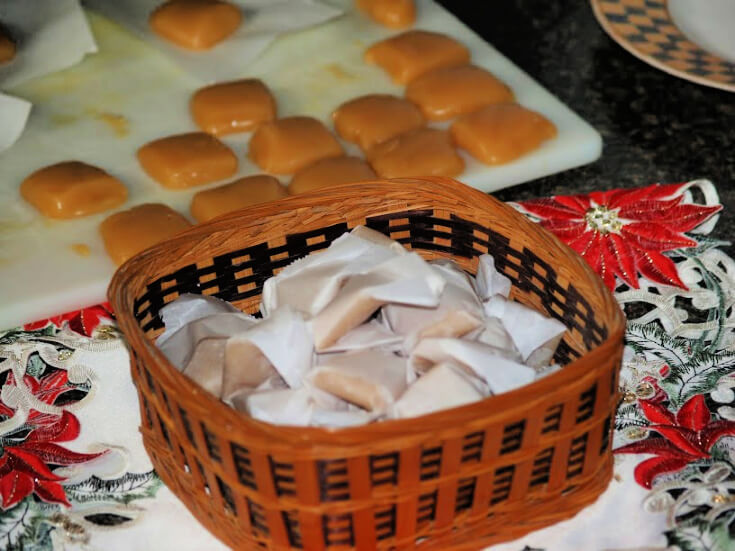 Christmas candy recipes for caramels, heavenly caramels, layered mints, peanut butter balls, English toffee, peanut brittle, coconut nougat squares, triple chocolate fudge, cranberry vanilla fudge, ch…
About Me | Contact Me | Privacy Policy/DISCLAIMER | What's New!
By Frances Peffly Moore © Copyright 2009-2024 painlesscooking.com