- Painless Cooking
- How to Cook
- Bakewares
Bakewares to Get Started Baking
Multiple types of bakeware are important to have on hand when you do a lot of baking. However, when you are just learning how to cook and bake, it is usually impossible to have everything. Not only does this run into a lot of money but it is hard to be familiar with all the different types of equipment and which ones you will want to use. I recommend starting with a few basic and building from that.
I have found that most people, including myself start out cooking with deserts. Many years ago I started with two 8 inch round cake pans, 1 cheap cookie sheet, 1 bread loaf pan, 1 pie plate and 1 cupcake tin for regular size cupcakes. I also had a very old cast iron skillet which is wonderful for baking meat, meat loaf, pineapple upside down cake, scallop potatoes, casseroles, etc.. Someone also had given me a Pyrex baking dish which I used for casseroles. Pyrex was always one of the cheapest and it is great.
NOTE: To clean old Teflon pans, combine 1 cup of water, 2 tablespoons baking soda and ½ cup liquid bleach. Boil in stained pan for 5 to 10 minutes or until the stain disappears. Was, rise, dry and condition with oil before using the pan again.
After a couple years of slowly baking cookies, I added another cheap cookie sheet to my collection. I then added another round cake pan for three layer cakes and another muffin tin. Later I changed my cookie sheets for better quality; I prefer the heavier ones with the small sides. Somewhere in there, I purchased three 8 inch square pans to make my German chocolate cake and another bread loaf pan for the recipes making 2 loaves.
After becoming an adult and now having more than fifty years of baking in my own home, there are still bakewares which I plan to purchase. I am down to the ones which are not readily available in our stores. I have not found them necessary for my baking but I feel they would offer a much prettier presentation for some of my recipes.
I have found many bakewares at yard sales, flea markets and discount stores. My friend, Lynn sent me a very old and heavy giant muffin tin for 24 muffins. It bakes great and I really treasure it; it could never be replaces. I look for different pans and pretty baking dishes all the time. I find bakeware for sale at Tuesday Morning, TJ Max and Ross Stores for good prices. I think most areas have these stores and they all carry different things, so check them out
NOTE: A good way to know how much batter fit into a pan is to pour cups of water into the pan. For instance fill any of the types of bakeware for cakes ¾ full with water; that is how many cups of cake batter you will need.
Type of Bakewares
4 cup baking dishes:
- 9 inch pie plate
- 8 x1 1/2 inch layer cake pan
- 7 3/8 x 3 5/8 x 2 1/4 inch loaf pan
6 cup baking dishes:
- 8 or 9 x 1 1/2 inch layer cake pan
- 10 inch pie plate
- 8 1/2 x 3 5/8 x 2 5/8 inch loaf pan
8 cup baking dishes:
- 8 x 8 x 2 inch square pan
- 11 x 7 x 1 1/2 inch baking pan
- 9 x 5 x 3 inch loaf pan
10 cup baking dishes:
- 9 x 9 x 2 inch square pan
- 11 3/4 x 7 1/2 x 1 3/4 inch baking pan
- 15 x 10 x 1 inch jelly roll pan
12 cup baking dishes and over:
- 13 1/2 x 8 1/2 x 2 inch glass baking pan = 12 cups
- 13 x 9 x 2 inch metal baking pan = 15 cups
- 14 x 10 1/2 x 2 1/2 inch roasting pan = 19 cups
Total volume of various special baking pans:
Tube Cake Pans or Angel Food Cake Pan:
The most recognizable cake recipe baked in a TUBE CAKE PAN is an angel food cake. The tube cake pan has what is called a “chimney” in the center of the pan. The heat from the oven travels up this chimney and allows for tall cakes to be baked in an evenly fashion. A tube cake pan can be purchased two ways; in two parts where the sides are separate from the bottom or all in one piece.
The advantage of the two part tube cake pan is for cakes like the angel food where the batter is not runny; it is easier to remove the cake when cold. If you are trying to bake a cake with a runny batter, it is a disadvantage. The batter runs through the crack where the sides meet the bottom. There are suggestions to wrap the bottom of the pan with foil but this does not work. The foil prevents the heat from traveling up the chimney which hampers the baking process. The solid bottom tube pan is the solution for this problem.
- 7 1/2 x 3 inch "Bundt" = 6 cups
- 9 x 3 1/2 inch Fancy = 9 cups
- 9 x 3 1/2 inch Angel Food = 12 cups
- 10 x 3 3/4 inch "Bundt"/"Crownburst" = 12cups
- 9 x 3 1/2 inch fancy tube mold = 12 cups
- 10 x 4 inch fancy tube mold = 16 cups
- 10 x 4 inch angel food = 18 cups
Melon Molds:
- 7 x 5 1/2 x 4 inch mold = 6 cups
Springform Cake Pan: (Types of bakeware for cheesecake recipes)
One of the types of bakeware that is so popular and a necessity to have in the kitchen if you make many desserts is the SPRINGFORM CAKE PAN. For those of you who love to make homemade cheesecake, you are already familiar with this pan. These are a necessity when making most cheesecakes, but are also used in making delicate deserts.
Springform cake pans come with two parts; a bottom and removable sides. The sides have latches and with a simple flip of the latch, the sides open and can be removed from the dessert leaving the baked product to be served on the bottom. Springform cake pans come in a variety of sizes; 9 inch and 10 inch in diameter being the most common. I have seen that most bakewares stores carry them packaged in sets and these are a great buy.
There is also a problem with the springform pans when trying to bake other batters in them that are more running. These will often leak through the cracks and make a mess in your oven. I have had good luck wrapping the bottoms of the springform pans with foil. The foil does not seem to interfere with the baking but does prevent a mess in the oven.
- 8 x 3 inch pan = 12 cups
- 9 x 3 inch pan = 16 cups
Type of Bakewares for Molds
Ring Molds:
- 8 1/2 x 2 1/4 inch mold = 4 1/2 cups
- 9 1/4 x 2 3/4 inch mold = 8 cups
Charlotte Mold:
- 6 x 4 1/4 inch mold = 7 1/2 cups
Brioche Pan:
A BRIOCHE PAN was specifically designed to bake traditional brioche; a French bread. The brioche pan is generally made from metal with fluted sides; a narrow base and wider lip. The pan can also be used for molded salads like gelatin salads. Using and maintaining a brioche pan is like any other of your cake pans.
- 9 1/2 x 3 1/4 inch pan = 8 cups
The items listed above are a small example of what is available on the market today. Having these will help you do a lot of baking. I have been looking for a pan to make Madeleine cookies and some unique tartlet pans. I also think fluted bread pans would make a pretty presentation of some bread recipes. I am also going to buy a square angel food cake pan. Wouldn’t that make some beautiful desserts? Keep your eyes open for unique bakewares and happy baking!
Sign Up for My Monthly Newsletter to Learn More Great Tips!
What's Cooking


-
How to Make Dinner Rolls
Jan 16, 24 09:01 AM
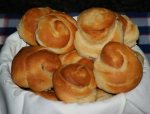 Learn how to make dinner rolls with many yeast roll recipes like refrigerator rolls, melt in your mouth rolls, Parker House rolls and Monticello rolls.
 -
My Best Banana Bread Recipe
Jan 16, 24 08:18 AM
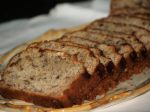 Search for the best banana bread recipe; recipes with sour cream, buttermilk, All Bran Cereal, dates, yeast, blueberries, oatmeal, cornmeal, Spanish recipes, lots of nuts and much more.
 -
Candy Recipes
Jan 16, 24 02:52 AM
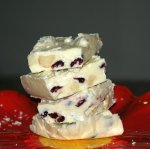 Learn the necessary candy making equipment for your candy recipes; hard tack and coconut balls.
 -
How to Make Thumbprint Cookie Recipes
Jan 16, 24 01:36 AM
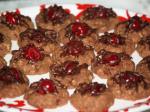 Make one of these tasty recipes for filled cookies like a thumbprint cookie recipes, cream cheese, and chocolate or peanut butter thumbprints.
 -
Christmas Candy Recipes
Jan 09, 24 01:21 PM
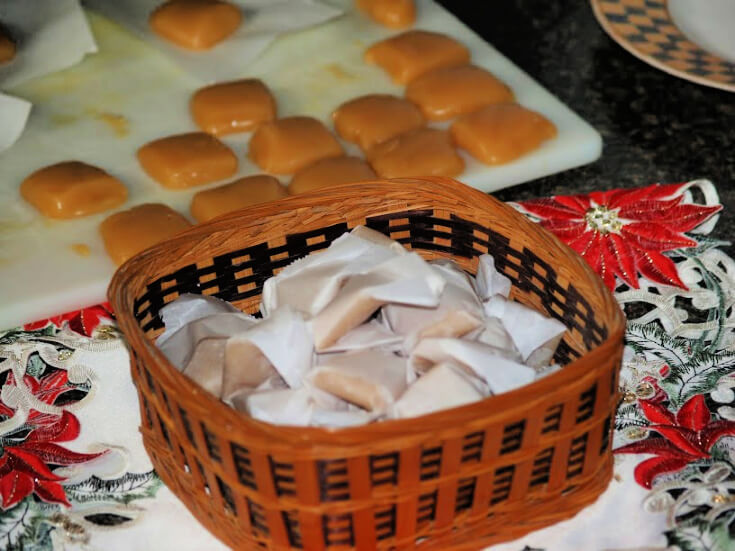 Christmas candy recipes for caramels, heavenly caramels, layered mints, peanut butter balls, English toffee, peanut brittle, coconut nougat squares, triple chocolate fudge, cranberry vanilla fudge, ch…
About Me | Contact Me | Privacy Policy/DISCLAIMER | What's New!
By Frances Peffly Moore © Copyright 2009-2024 painlesscooking.com