- Painless Cooking
- Bread
How to Make Bread; Yeast or Quick Breads
The first thing to know when learning how to make bread is that there are basically two kinds of breads. There are quick bread recipes and yeast bread recipes. Quick breads will immediately be part of your Painless Cooking, but by closely following yeast bread recipes, you will have no problem either. The difference lies in the powder of the leavening agents. The quick breads are just like they sound “quick to make” or requires no kneading and rising; just mix and place in oven to bake. This is because baking powder, baking soda or both can be used as the leavening agent. These ingredients work faster than when using yeast as the leavening.
Although quick breads are very easy to make, many make the mistake of overbeating the batter. Unless specified in the directions, the batter should only be mixed until blended. Sweet breads, muffins, sweet rolls, biscuits and scones are all part of the quick bread family. In many parts of the world the daily bread is a quick bread (or flat bread) which uses no leavening.
To understand how to make bread one must understand the action of yeast for successful bread making. Yeast is a tiny living plant which develops under favorable conditions. The conditions which encourage development are moisture, lukewarm temperature, oxygen incorporated by beating and kneading, and food provided by the sugar and starch. When showered with these attentions, the yeast becomes active and causes fermentation and rising dough. The result is the porous structure and characteristic flavor which we associate with yeast breads.
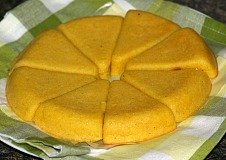 |
Make fabulous corn bread recipes with sour cream, hoe cakes, jalapeno cornbread, hush puppies and cornmeal pancakes. |
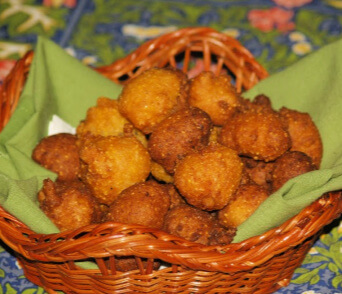 |
Make the best hush puppies recipes: hush puppies with potatoes, German hush puppies, Missouri hush puppies, Southern shrimp hush puppies, spicy beer hush puppies, Kentucky dam village, hush puppies with green pepper and onions, squash puppies, tomato hush puppies, bacon cheese hush puppies, easy hush puppies, tar hill hush puppies, fresh tomato green onion hush puppies, jalapeno hush puppies and baked hush puppies. |
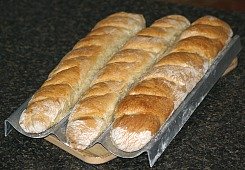 |
How to make bread from France with great recipes. French breads are famous for their fine quality. |
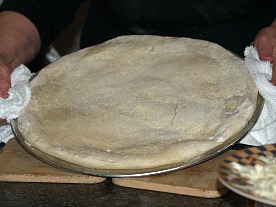 |
Learn how to make the best pizza dough. |
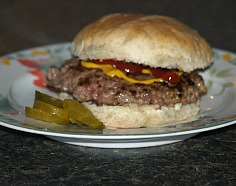 |
Learn how to make buns; choose your favorite recipe. |
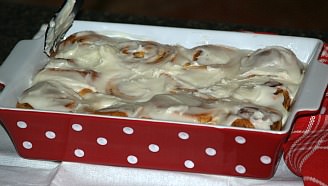 |
Learn how to make a sticky buns recipe for breakfast, an easy overnight recipe, an easy caramel chocolate, a pecan sticky rolls or a coconut glazed sticky bun! |
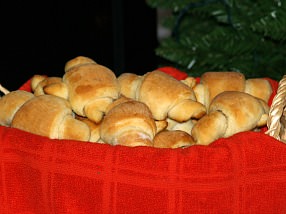 |
Learn how to make the best dinner rolls that are round, clover shaped, melt in your mouth, Monticello and Parker House. |
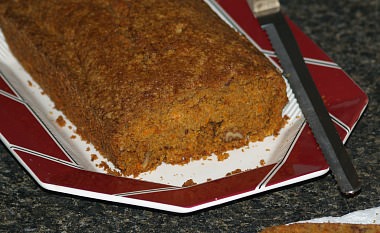 |
Yummy carrot breads with pecans, with raisins, cornbread, morning glory muffins and apple muffins can be healthy choices when you learn how to make bread. |
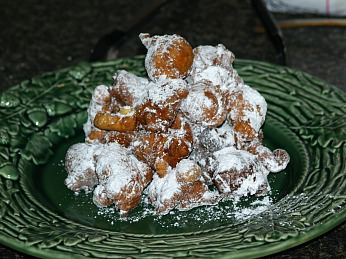 |
Some of my favorite doughnut recipes; drop doughnuts, rolled apple donuts, pumpkin fritters, Danish donuts, yeast doughnuts, crullers, jelly donuts, cruller twists and loukoumathes. |
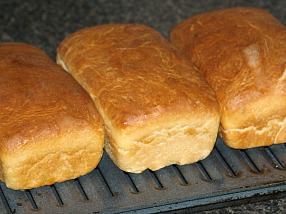 |
Enjoy warm homemade bread is easy by following a good recipe when you are learning how to make bread. |
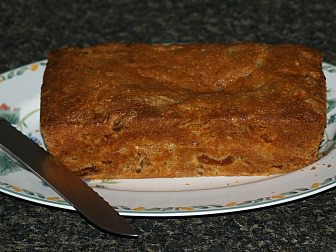 |
Quick breads; whole wheat pecan bread, apricot nut bread, poppy seed and banana blueberry. |
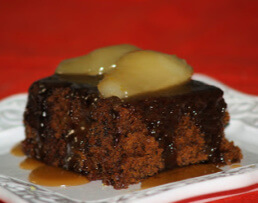 |
Make the best gingerbread recipes! Make an old fashioned basic gingerbread, a basic gingerbread, a fresh gingery gingerbread, a hot frosted recipe, a tropical gingerbread, gingerbread with lemon sauce, Kahlua gingerbread with key lime sauce, gingerbread with butterscotch pear sauce, pumpkin gingerbread, gingerbread pudding cake and yeast gingerbread men! |
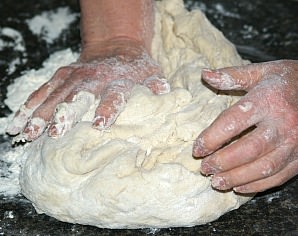 |
How to make bread that uses a Kneading dough technique that is used in most of the recipes for yeast breads. See the different techniques demonstrated using a Polish Potato Bread and Herb Biscuits. VIDEOS |
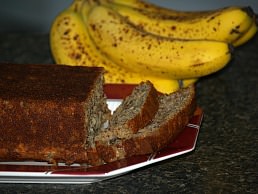 |
Fresh breads with yeast conversion table and tips for both yeast breads and quick breads import when you want to know how to make bread; recipe for black walnut banana bread. |
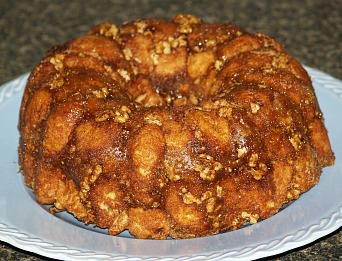 |
Make monkey breads with yeast, made with biscuits or made with hot roll mix. |
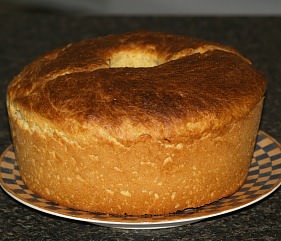 |
Sally Lunn bread recipes for yeast bread, a quick bread and a no knead bread. |
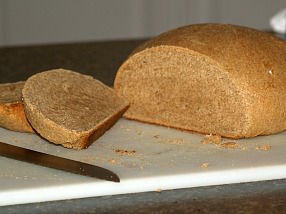 |
Homemade rye breads with caraway, German rye or a round Pumpernickel with sour cream filling recipe for those who want to know how to make bread to serve as appetizer. |
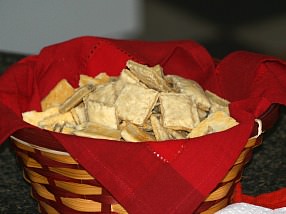 |
Learn how to make unleavened Breads can have no rising process like fried cornbread and hominy bread or it can rise by setting for many hours like this raisin bread. |
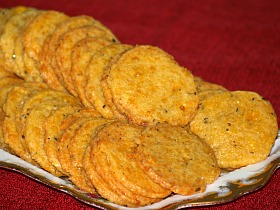 |
Learn how to make crackers with poppy seeds or cheddar cheese. Make saltines or crispbread. |
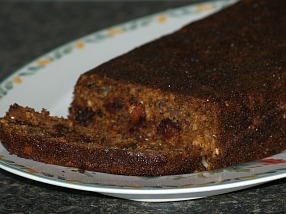 |
Make the best date nut breads, date muffins, banana bread, apple bread and orange muffins are tasty treat when you learn how to make bread. |
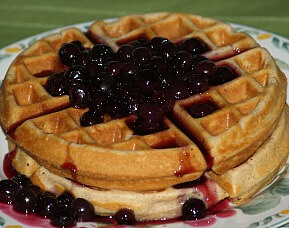 |
Learn how to make the best waffles! Try a recipe that is basic with four optional variations! You will find a hominy recipe, a strawberry waffle recipe, cornmeal waffles, sour cream waffles, wild rice waffles, oatmeal waffles with an apple topping, cinnamon raisin waffles, buttermilk waffles, sweet potato waffles, orange waffles and chocolate chips waffles. |
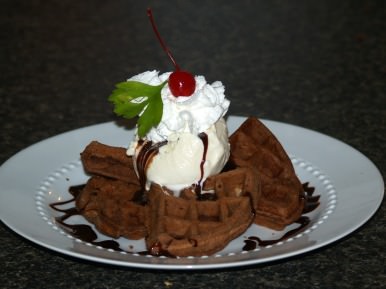 |
How to make a basic pancake or waffle recipe into fabulous creations! |
 |
Learn how to make bread with a Basic white bread recipe; my favorite making 6 loaves, white French and a great 1 loaf recipe. |
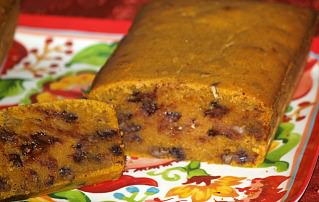 |
Whole wheat pumpkin bread recipe, a basic bran recipe to make other recipes, blueberry muffins and a microwave recipe. |
 |
Four homemade Boston brown bread recipes baked in cans or molds. |
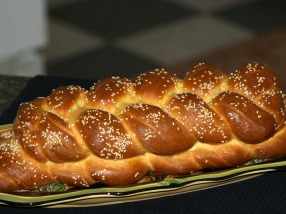 |
Traditional challah breads; four recipes included. |
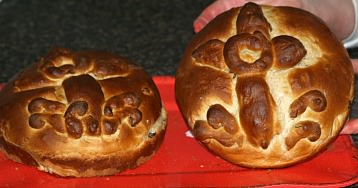 |
Christmas breads like Greek Christopsomo, three Kings bread or rosca de reyes, a candy cane coffee cake or my overnight cinnamon rolls. |
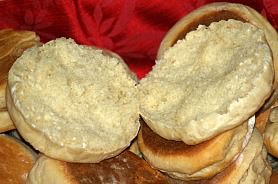 |
Make homemade English muffins on griddle and in the microwave; use in recipes for eggs Benedict with Hollandaise sauce. |
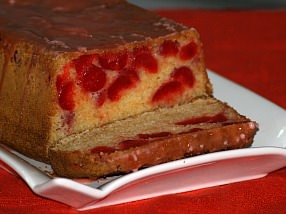 |
Learn why we have coffee tables and what recipes were traditionally served such as Scottish shortbread and strawberry bread. |
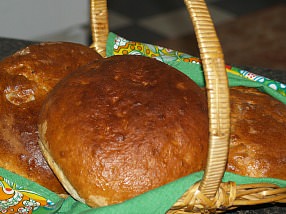 |
Potato breads; mashed potato bread recipe, sweet potato biscuits, spudnuts and refrigerator potato rolls. |
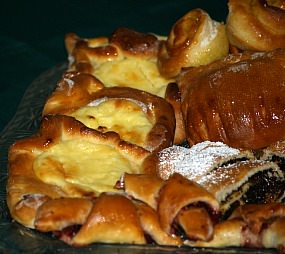 |
Many sweet dough breads make delicious orange rolls, filled Danish pastries, bear claws, kuchen and Hungarian nut rolls. |
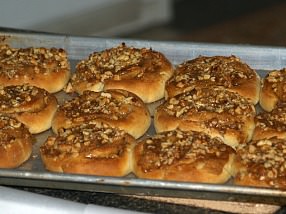 |
Make fabulous sweet roll recipes: praline rolls, cinnamon rolls, orange rolls, refrigerator rolls, Danish choconut rolls, banana sticky buns, plum rolls, mincemeat fruit rolls, butterscotch rounds and orange poppy seed rolls. |
 |
Make delicious artisan bread for pretty presentations. You will find recipes for a sausage egg bread, Greek Easter bread, a braided herb and a special French bread. |
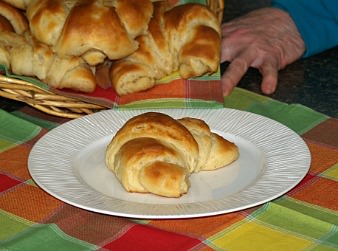 |
VIDEO: Make croissants or crescent rolls. These two are closely related. The croissants require a lot more steps but are more flaky and buttery than crescent rolls. |
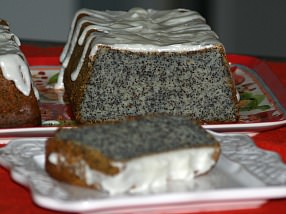 |
Learn how to make breads with yogurt. This page has a lemon yogurt bread, a pineapple muffin, a giant corn muffin, an apple raisin bran muffin, a yogurt doughnut and an Austrian almond bread. |
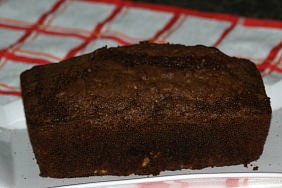 |
Zucchini breads; plain, with pineapple, with apples, with lemon and lemon glaze, chocolate and a recipe for the microwave. |
 |
Learn how to make a wild yeast starter. You can use this stater to make bread. biscuits, pancakes and cornbread. |
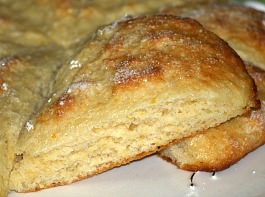 |
Make delicious scones from plain, to savory or sweet! Try a basil Parmesan scone, a cranberry loaf scone, apple scones, cinnamon swirl, sage, orange yogurt, lemon poppy seed, apricot or gingerbread scones. |
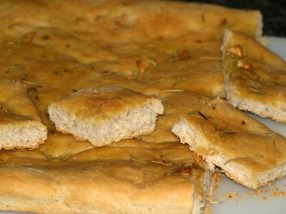 |
Make the best flatbread recipes. Try a recipe for focaccia with rosemary and garlic, a pita bread, pocket bread, French crepes, naan bread, corn tortillias and Navajo fried bread. |
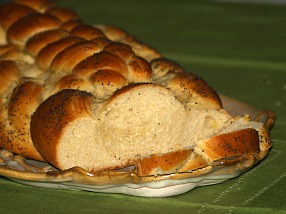 |
Learn how to make the best egg breads. Try a recipe for hootsla egg bread, a Jewish challah bread, a sesame topped egg bread, a Mozzarella cheese bread, Greek Christmas bread, egg bagels and an egg bread with lots of eggs! |
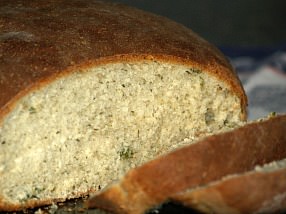 |
Make delicious herb bread recipes. Make a hot herb bread, one with bacon seasoning, a hearty pesto recipe, a stuffed Greek bread, a pepper cheese bread, a Parmesian garlic bubble bread, an herb loaf and a butterflake herb loaf recipes. |
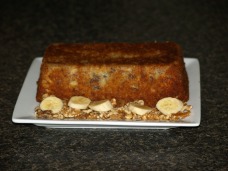 |
My search for the best banana bread recipe. |
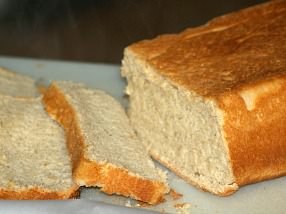 |
Make the best yeast bread recipes. Try a recipe for white bread, a recipe baked in a flower pot, a whole wheat recipe, use a bread machine, try a Greek recipe, a ham and cheese and a sculpted bread. |
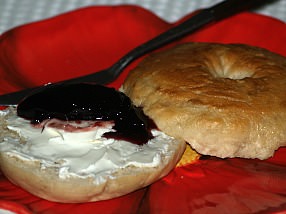 |
A basic bagel recipe with variations for fruit, herb and Parmesan. |
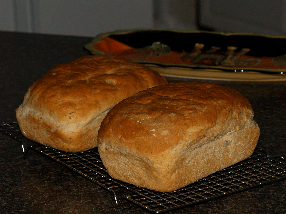 |
Make healthy bread recipes and enjoy a VIDEO of my multi-grain batter bread for those who want a to learn how to make bread. |
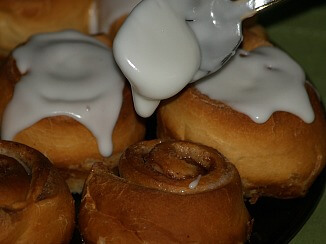 |
By baking with frozen bread dough you can make many quick recipes. This page will show you how to make olive Parmesan bread, brie in bread braid, cinnamon rolls, pepperoni and cheese roll, sesame onion twists, Christmas star bread, Magic balloon buns, mitten bun beef sandwiches, cinnamon rolls or pecan rolls and a cheesey stuffed calzone. |
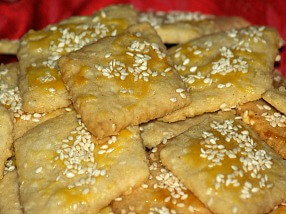 |
Make the best savory cracker recipes. The recipes are as follows: grits cheese crackers, rosemary pecan cheese rounds, spicy wontons crackers, cheese crackers, cocktail biscuits, caraway cracker sticks, crackers made with vegetables, whole wheat crackers, sesame seed cheese crackers, cream cheese sesame cheese sesame rounds and party potato wafers. |
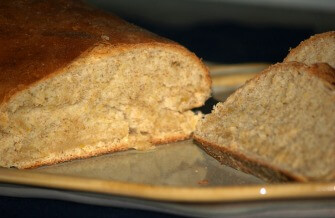 |
Learn how to make squash bread recipes. Squash breads can be either yeast bread or quick breads. You will find both on this page. A recipe for a yeast squash bread, buttercup yeast bread, pumpkin yeast bread, pumpkin quick bread, zucchini quick bread, a seeded squash braid bread, a zucchini yeast bread twist, zucchini pineapple bread and squash rolls. |
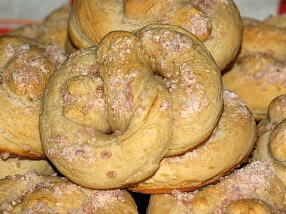 |
Make delicious homemade pretzels! Try several different recipes: German pretzels, a sweet yeast pretzels, soft pretzels, soft beer pretzels, prayer pretzels, whole wheat cheese pretzels, Zoar pretzels, poppy seed pretzels and wheat pretzels. |
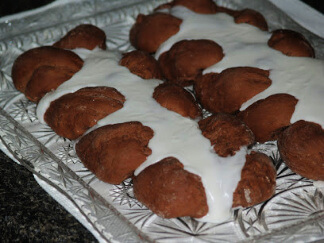 |
Prepare the best braided bread recipes like the following: chocolate braided bread, vanocka bread, challah, almond braid, braided bread with fruit and onion herb. |
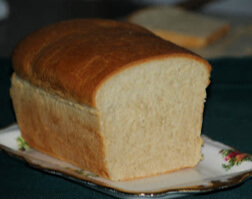 |
Learn how to make a crusty bread recipe like the following recipes: crusty hard rolls, crusty French bread, old fashioned crusty cottage loaf, raisin wheat bread, crusty country bread, crusty honey wheat bread, easy Irish crusty oat bread, crusty mushroom bread, crusty fennel bread and crusty onion bread. |
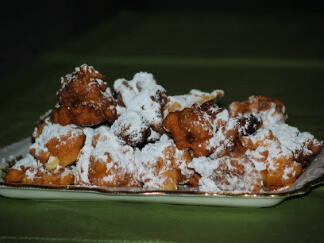 |
The best corn fritter recipes: Southern corn fritters, jalapeno corn fritters, Spanish corn cakes, corn fritters, corn cakes with green onion, corn oysters, corn oysters for one, corn fritter with Parmesan cheese, corn pepper fritters, breaded corn, corn fritters with crab and cream corn fritters. |
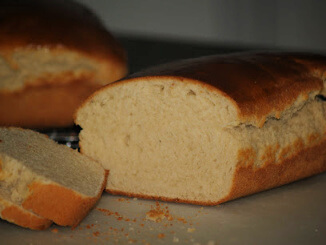 |
Learn how to make delicious sourdough bread recipes! Sourdough bread begins with making the starter. Several starter recipes are provided including a whole wheat starter. The following sourdough bread recipes are available: buttermilk biscuits, crusty sourdough bread, sourdough bread, sourdough pancakes, sourdough cornbread and whole wheat sourdough bread. |
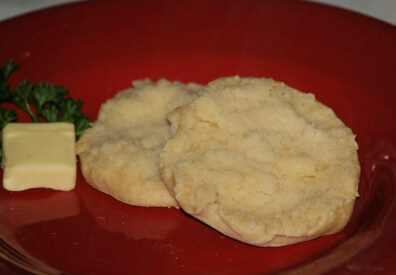 |
Learn how to make English breads like the following: English muffins, Oatmeal bread, cottage style onion loaf, crumpets, plain scones, hot cross buns, saffron bread recipe, Sally Lunn bread, Brentford rolls and speckled bread. |
Making homemade puff pastry and making recipes with puff pastry: recipes for chicken pot pie, a spinach appetizer, Asian appetizer and Napoleons.
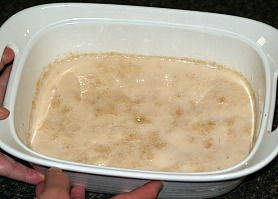
Salt rising breads; my mom’s favorite bread and the process of how to make bread.
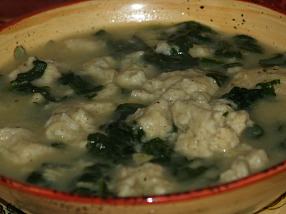 |
Learn how to make dumplings: old fashioned fruit dumpling, strip dumpling, pear dumplings, farina dumplings, easy, cracker crumbs, bacon dumpling spinach soup and spinach dumplings. |
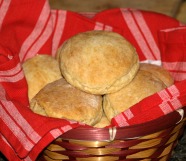 |
My favorite biscuits, buttermilk biscuit, angel biscuits and egg biscuit recipe; also recipe for biscuit mix. |
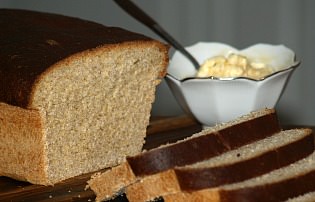 |
Multigrain breads with whole grain flours and seeds or a twist loaf. |
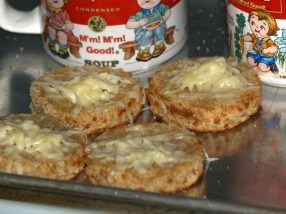 |
Make delicious croutons for salads, soups and appetizers. Croutons can be baked or fried, stored in the freezer or later use. Top with cheese or season with spices. |
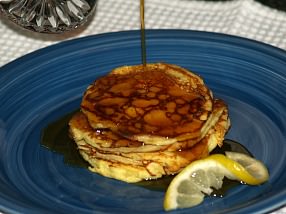 |
Learn how to cook the best pancakes. Try a lemon ricotta cheese pancake, German pancakes, sweet potato, cornmeal, silver dollar, peach and a basic pancake recipe. |
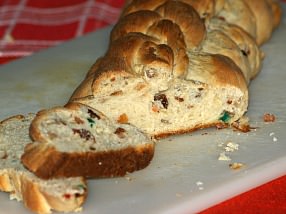 |
Bake the most amazing raisin bread recipes. Try an Austrian almond bread, a panatone, a recipe with oatmeal, steamed raisin bread, apple raisin, beer cheese recipe, raisin scones and cottage raisin puffs. |
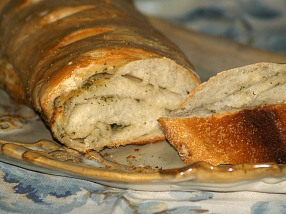 |
Learn how to make savory bread recipes like the following: Herb Spiral Bread, Olive and Cheddar, Pesto Bread, Rustic Whole Wheat Bread, Butterflake Herb Bread, Simple Sour Cream Dough Bread, and a Spinach Tomato Bread. |
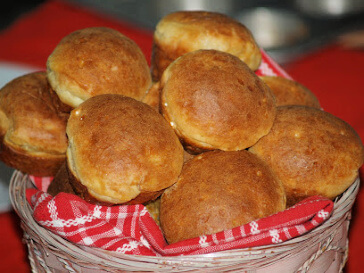 |
Make delicious popovers recipes like the following: pecan popovers, popovers with beef and cheese, Yorkshire pudding, original Yorkshire pudding recipe, plain popovers, easy popovers, breakfast cloud popovers, cream cheese popovers, lemon poppy seed popovers, garlic popovers, nut popovers recipe, popover pizza casserole, popover pancake and giant popovers. |
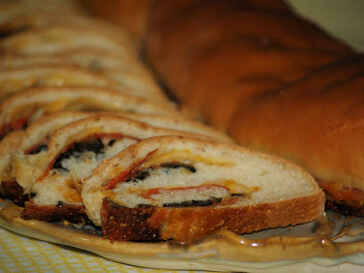 |
Make delicious olive bread recipes like the following: olive bread with cheese, pepperoni olive cheese bread, Parmesan jalapeno olive bread, olive walnut bread recipe and filled herb, cheese and olive. |
The Best Muffin Recipes
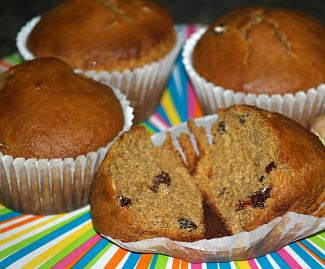 |
Making gingerbread muffins! There are many delicious recipes: made with cream cheese, gingerbread muffins with raisins, old fashioned ginger muffins, gingerbread muffins with egg whites and a recipe with chopped dates. |
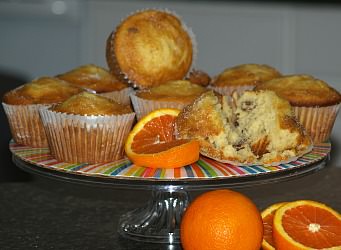 |
Preparing orange muffins made with Bisquick baking mix (great when first learning how to make muffins) and orange glaze, refrigerator muffins, made with orange marmalade or pecan orange recipe. |
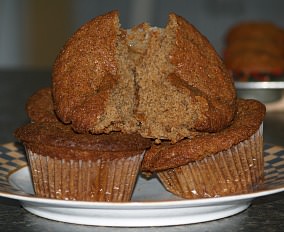 |
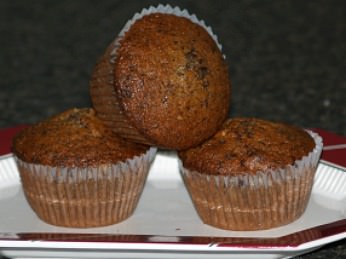
Moist muffins with brown sugar, ones with bran and ones with applesauce. |
 |
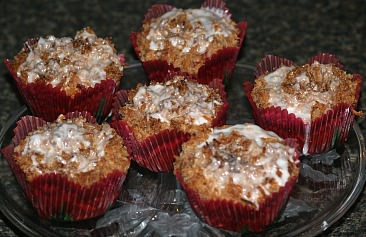
The best chocolate muffins; made with zucchini, made with peanut butter, with bran or banana chocolate chip muffins. |
 |
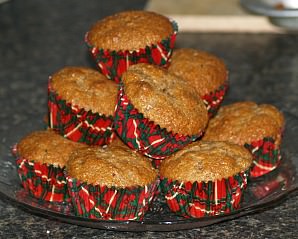
Delicious lemon muffins with raspberries and a coconut topping and glaze, apple oatmeal and lemon poppy seed. |
 |
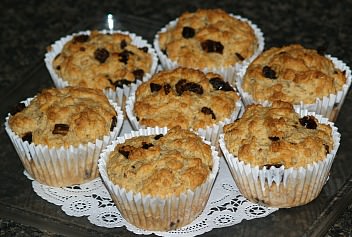
Moist zucchini muffins; one made with a biscuit baking mix, made from scratch, pineapple zucchini recipe with pineapple glaze or recipe with lemon glaze. |
 |
Tasty peanut butter muffins made with biscuit baking mix, with orange and dates, with bananas or with cherries. |
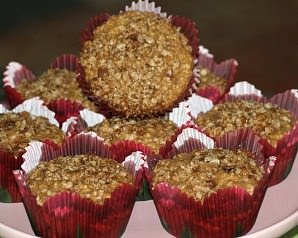 |
Apple muffins with cheese and bacon, made with applesauce and streusel topping or pumpkin apple recipe. |
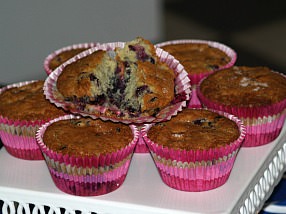 |
Making blueberry muffins with cream cheese, low fat, Jordan Marsh famous muffins, oat bran and sour cream muffins. |
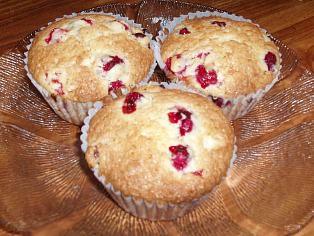 |
My favorite cranberry orange muffins made with sour cream and a glaze topping, one topped with cream cheese spread and one made with buttermilk. |
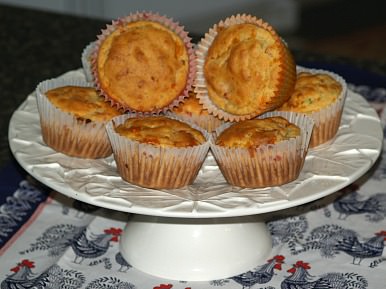 |
Best muffins; muffin making techniques (muffin and cake) and recipes for plain ones and blueberry muffins. |
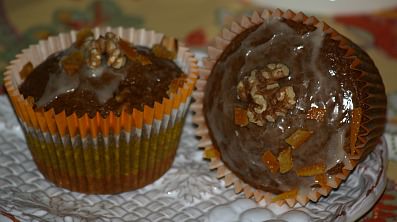 |
Making pumpkin muffins; cranberry recipe with orange glaze, pumpkin with raisins and nuts and cinnamon sugar topping and zucchini muffins. |
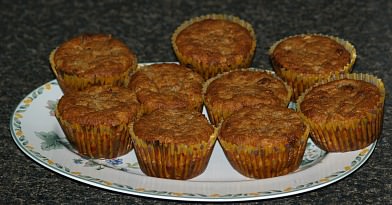 |
Bran muffins; made with Raisin Bran cereal, applesauce raisin and apple bran muffins. |
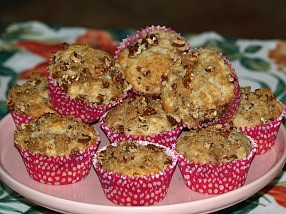 |
Bisquick muffins; plain sweet muffins and banana recipe with crunch filling. |
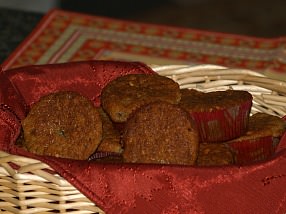 |
Making banana muffins; peanut butter muffins, oatmeal recipe and a banana surprise. |
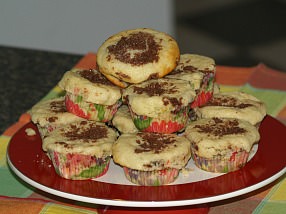 |
Five basic muffins and a streusel topping, one recipe made with ice cream and pineapple muffins. |
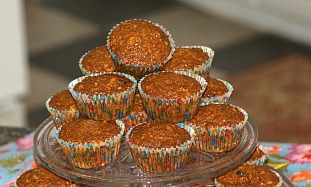 |
Carrot muffins; carrot zucchini, mini muffins and two recipes for morning glory recipes. |
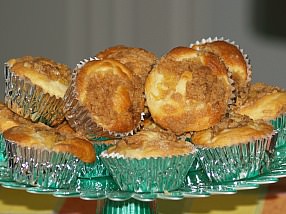 |
Six delicious muffin recipes: Jalapeno, Cheese, Lemon Raspberry, Pineapple, Cherry Blossom and Buttermilk Bran Muffins. |
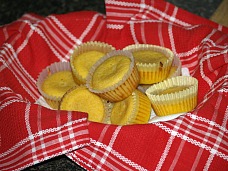 |
Corn muffins; basic corn muffins, buttermilk recipe, Mexican muffins and banana made with cornmeal simple recipes to learn how to make muffins. |
NOTE: Baked bread can be frozen. Cool completely before wrapping. I wrap cold bread in plastic wrap and then in foil. I have found that yeast bread does not rise as well if you freeze it before baking. If you want to freeze it, do so after baking. TO FREEZE YEAST DOUGH use twice the amount of yeast that the recipe calls for. Mix and knead the dough letting it rise one time. Punch the dough down, shape into loaves no deeper than 2 inches and then freeze. Thaw at room temperature and bake as usual. (Freeze no longer than 3 weeks.)
To know how to make yeast bread, one must know the different types of yeast available to use. Yeast is marketed in moist and dry forms. For years the moist cakes of yeast was the only form available. It had to be kept in the refrigerator and it grew stale after about a week. Then came the dry yeast in cake form; however this takes a longer soaking time to use. Fortunately, today we have a quick action dry yeast which is very easy and fast to use. This type takes about 5 minutes to soak and can be substituted for other types called for in recipes. For most recipes one package is good for 6 or 7 cups of flour.
When learning how to make bread you will realize the importance of the type of flour which is used in the recipe. In choosing flour we are mainly concerned with the gluten content. Gluten is the elastic substance formed when the flour is mixed with liquid. To make light porous bread, yeast dough requires a flour containing strong elastic gluten which will stretch without breaking. Years ago the gluten content in different flours use to vary greatly. Today I find them to be pretty consistent especially if you stick with the name brands. Bread flour and all purpose flour may be used in the making of yeast bread.
Milk, water or a combination of the two is generally used for liquid. Potato water, buttermilk or diluted evaporated milk may be used if desired. (I like to use buttermilk but I add ¼ teaspoon baking soda to it) Milk adds to the food value of the bread as well as to the flavor and keeping qualities; bread containing milk usually makes better toast. Instructions to have the liquid LUKEWARM is important. If too hot or too cold there will be no action with the yeast.
There are other important ingredients to yeast bread. Salt is important to help control the fermentation. Sugar supplies food for the developing yeast and helps the bread to brown. Shortening and eggs increase the flavor and tenderness; they also help the keeping qualities.
HOW TO MAKE BREAD--BREAD MAKING TIPS
- When baking bread, a small dish of water in the oven will help keep the crust from getting too hard or brown.
- Use shortening, not margarine, butter or oil to grease pans; margarine, butter and oil absorb more readily into the dough.
- To make self rising flour for those recipes, mix 4 cups all purpose flour with 2 teaspoons salt and 2 tablespoons baking powder; store in tightly covered container.
- One scant tablespoon yeast is equal to a package of yeast.
Water or milk is most often used in bread; water makes a crisp crust while milk produces a soft crust and creamy white crumb. - Different kinds of fat can be added to bread dough to improve the flavor and makes the dough stretch more readily; bread will have a tender crumb and stay soft longer.
- When learning how to make bread with yeast, eggs added to yeast dough add flavor, color and nutrition; they soften the crust and give the interior a fine crumb.
- Do not try to speed up the yeast in bread dough by adding ingredients such as flour, sugar or salt; it will only make the bread heavier.
- To test the rising of yeast dough: The dough is doubled when two fingertips pressed ½ inch in leave dents that remain; if dents fill quickly let rise 15 minutes longer and test again.
- To test the vitality of yeast, before using mix some into ¼ cup warm water with ¼ teaspoon sugar. If mixture does not start to bubble within 5 to 10 minutes, it is dead and you will need fresh new yeast.
- When baking bread if the top browns too quickly cover loosely with foil.
- To test yeast bread for doneness tap top of loaf lightly; if it sounds hollow and is well brown on top, the bread is ready.
- Remove yeast breads immediately from pans when finished baking to prevent the bottoms from getting soggy.
- When learning how to make bread, all ingredients should be at room temperature for best results.
- Bread stores best in a cool dry place; it can be stored in refrigerator but gets stale faster. It will store in freezer for 3 months if tightly wrapped in plastic wrap, (I also wrap foil over plastic wrap)
- Hot water kills yeast and cold takes longer to rise; without thermometer to test temperature, pour water over forearm. If you cannot feel hot or cold the temperature is just right. This ic very important when you learn how to make bread.
- The percentage of moisture in flour varies according to how it was processed and how it is stored. Because of this the amount of liquid needed for a bread recipe may vary; mix just enough liquid to make soft pliable dough.
- If you are not sure about sifting flour, always sift. If purchasing flour in bulk, it generally settles and should be sifted.
- Bread flour absorbs more liquid than all purpose and must be beaten longer to expand its gluten potential when you are learning how to make bread.
- For a crunchy, nutty texture in breads, replace about ½ cup of the flour with precooked wheat berries or cracked wheat.
- The shelf life of white flour is 1 to 2 years. To store it, transfer it to tightly closed food container to prevent moisture absorption; keep in cool dark place. (I freeze; but warm to room temperature before using)
- Non white flour should be used within 3 to 4 months; store high fat flour like whole wheat, wheat germ, oatmeal and soy in freezer.
- To prevent breads made with bran flour from becoming too dry, mix bran with liquid called for in a recipe and let stand several hours before proceeding.
- If you want heavier breads, bagels, pizza dough, etc use bread flour. I always use all purpose flour with good results.
- When baking in glass pans reduce temperature by 25F degrees; keep temperature 400F degrees and under.
- When baking bread, a finer texture is achieved by using milk instead of water.
- Rising bread two or more times makes a finer and denser texture.
- When learning how to make bread, for nut breads, the nuts stay fresher when stored in the freezer and break easier to use.
- For nut breads, enhance the flavor of the nuts by toasting them first.
- To lightly dust a work surface fill a large empty salt shaker with flour.
- For the best quick breads, do not over mix the dough; over mixing causes rubbery and tough breads and muffins.
- Most quick breads taste better the next day; nut breads taste better stored 24 hours.
- Peel and freeze in zip lock bags overripe bananas for quick breads; they are perfect.
Sign Up for My Monthly Newsletter to Learn More Great Tips!
What's Cooking


-
How to Make Dinner Rolls
Jan 16, 24 09:01 AM
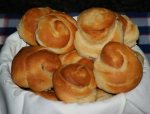 Learn how to make dinner rolls with many yeast roll recipes like refrigerator rolls, melt in your mouth rolls, Parker House rolls and Monticello rolls.
 -
My Best Banana Bread Recipe
Jan 16, 24 08:18 AM
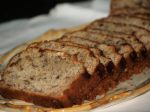 Search for the best banana bread recipe; recipes with sour cream, buttermilk, All Bran Cereal, dates, yeast, blueberries, oatmeal, cornmeal, Spanish recipes, lots of nuts and much more.
 -
Candy Recipes
Jan 16, 24 02:52 AM
 Learn the necessary candy making equipment for your candy recipes; hard tack and coconut balls.
 -
How to Make Thumbprint Cookie Recipes
Jan 16, 24 01:36 AM
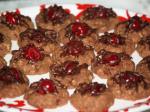 Make one of these tasty recipes for filled cookies like a thumbprint cookie recipes, cream cheese, and chocolate or peanut butter thumbprints.
 -
Christmas Candy Recipes
Jan 09, 24 01:21 PM
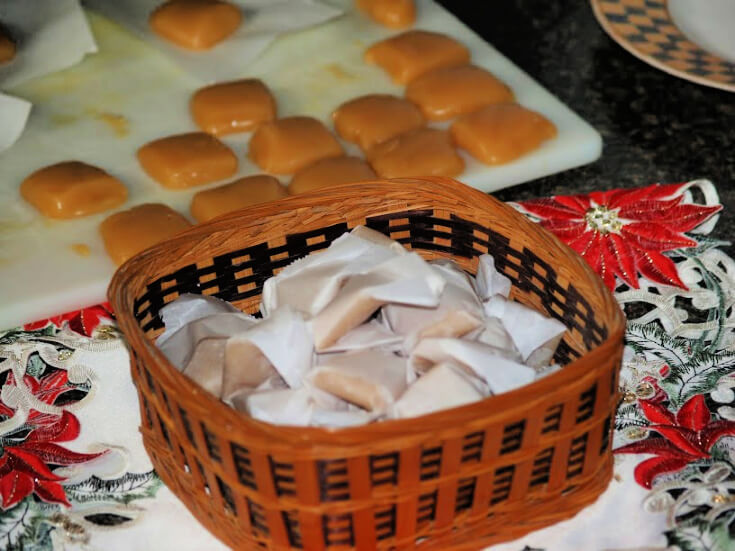 Christmas candy recipes for caramels, heavenly caramels, layered mints, peanut butter balls, English toffee, peanut brittle, coconut nougat squares, triple chocolate fudge, cranberry vanilla fudge, ch…
About Me | Contact Me | Privacy Policy/DISCLAIMER | What's New!
By Frances Peffly Moore © Copyright 2009-2024 painlesscooking.com