- Painless Cooking
- Vegetables
How to Cook Vegetables
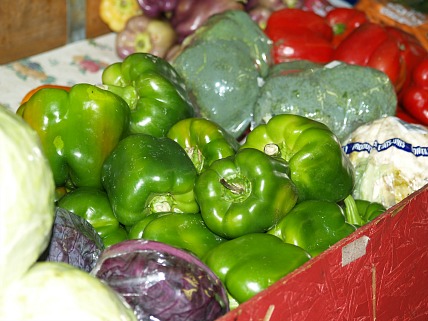
Learn how to cook vegetables, how to buy vegetables and how to store vegetables correctly because they are becoming an increasingly part of our diet. Plus the delicious taste that they add to our meals, they are a good source of vitamins, minerals and fiber for our diet. Most vegetables are low in calories and can be enjoyed year round fresh, canned, frozen or dried.
 How to Cook Vegetables
Almost all vegetables are good for us to eat in the fresh state. Wash
them thoroughly and cut into pieces; refrigerated these make a great low
calorie snack for any time of the day. If you are going to cook them,
learn how to cook vegetables to preserve as many nutrients as possible.
Whatever the method of cooking vegetables that you choose, keep cooking to a minimum. When boiling vegetables, use as little water as possible and save the nutrient rich liquid to use in stocks and sauces.
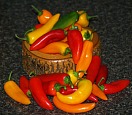 |
Sweet pepper recipes can be delicious entrees like stuffed peppers or a fabulous goat cheese appetizer! |
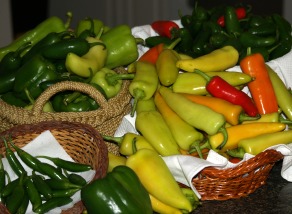 |
Learn how to cook with hot peppers. |
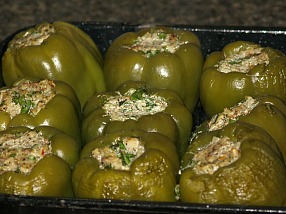 |
Making delicious stuffed peppers chili rellenos recipe, bell peppers stuffed with sausage and rice, two stuffed jalapeno recipes and stuffed cherry peppers. |
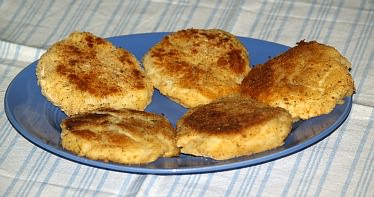 |
Learn how to cook fried potatoes from pan fired, deep fried and mashed potato fried. |
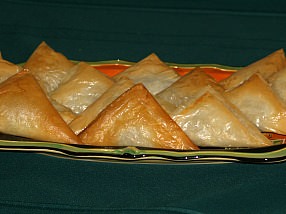 |
Make the best mushroom recipes. Here you will find a fabulous mushroom appetizer, a tasty stuffed mushroom, marinated mushrooms, oyster stuffed mushrooms, a mushroom casserole, quiche and a recipe to make a bean salad. |
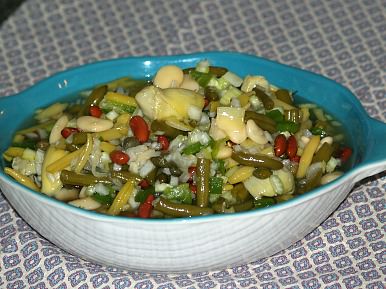 |
Bean recipes were plentiful around my home; they are very economical to cook so we always had a pot of beans on the stove. I still cook them and still love the flavor of all kinds. |
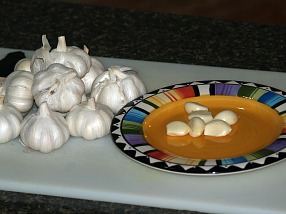 |
Make fabulous dishes with garlic. Prepare with marinated vegetables, make 40 clove chicken, German garlic soup, baked tomatoes and roast to use in place of butter. |
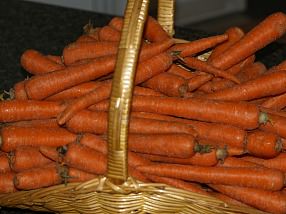 |
Cooked carrot recipes were never my favorite but these delicious recipes helped me to develop a love for this vegetable. |
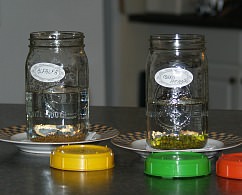 |
Grow sprouts in your kitchen and them to some of your favorite dishes. Try a recipes for a sprout and quinoa sandwich, fried rice with sprouts, a sprout salad, sprouts with ham salad or a yummy mung bean sprout soup. |
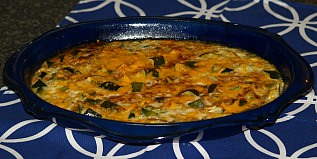 |
Easy recipes made with corn can be as simple as tossing in a skillet with a little butter, salt and pepper; a few minutes stirring over heat and you have a delicious dish. |
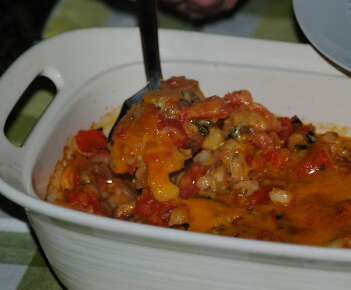 |
Prepare delicious hominy dishes like the following: south of the border, baked hominy with cheese, hominy pie, Mexican hominy recipe, hominy and chili casserole, hominy turkey casserole, Posole stew recipe, hominy, and sausage meatballs, pork chops and hominy recipe, hominy corn and cheese casserole and hominy casserole. |
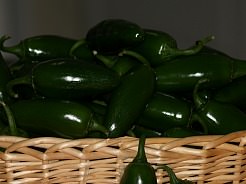 |
Make the best jalapeno pepper recipes. Stuffed baked jalapenos are a family favorite. Make a jalapeno and hominy dish, make a dirty rice recipe, make a salsa to top chicken and a jalapeno jam! |
 |
Learn the about the nutrition of vegetables when adding them to your diet. It is important to know their value and how to cook vegetables with delicious recipes. |
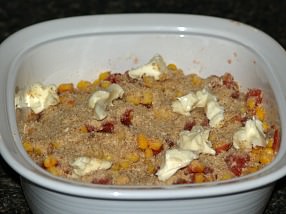 |
Corn dishes are the favorite vegetable dishes all over the world. Corn is grown in many countries and is used whole as well as ground into cornmeal for recipes. |
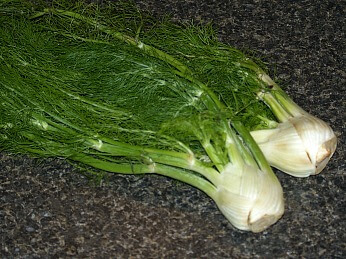 |
Learn how to cook fennel recipes. This page will show you how to make a simple fennel orange salad, a roasted Chilean Bass, a cheese polenta with vegetables, a braised fennel recipe, poached chicken with fennel, rice salad, gratin of fennel & fennel, arugula and onion salad. |
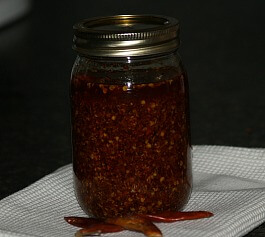 How to Make Hot Sauce How to Make Hot Sauce |
Learn how to make hot sauce: fresh horseradish, hot chili, creamed horseradish, hot mustard, hot pepper & black bean, Southern come back sauce, cocktail sauce, hot mustard, spicy barbeque, hot pepper with lime, taco sauce, hot pepper oil, Harissa sauce, Chilean hot sauce, hot horseradish sauce, Serran chili hot sauce and a Wasabi yogurt sauce. |
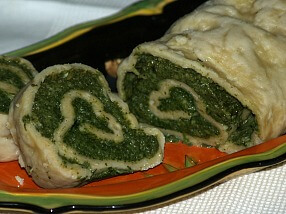 |
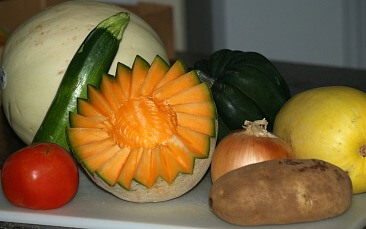
When making vegetables recipes you will find that it covers so many categories; salads, soups, casseroles or individual dishes. The most important point of preparing good quality recipes is starting with the best quality vegetables. |
 |
When you stuff vegetables they can make beautiful side dishes, entree and appetizers! Discover a variety of vegetables that can be stuffed with many filling options. |
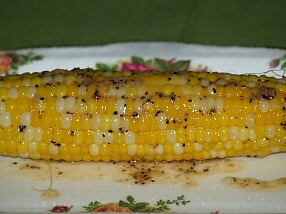 |
When learning how to cook vegetables preparing grilled corn on the cob roasted over an open fire is a favorite of backyard cookouts, church picnics and family barbeques. |
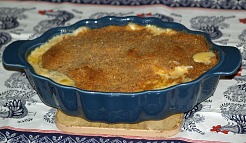 |
I also had to learn How to Cook Asparagus before I would eat it especially after it was canned. I found that canned asparagus makes very delicious creamed soup and adds a delicious flavor to casseroles. |
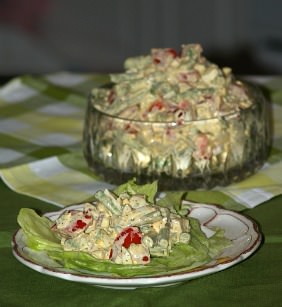 |
When I first learned How to Cook Fresh Asparagus the problem I had was overcooking it. It is very delicious when cooked only until “tender crisp”. This can be done by adding to a skillet with a little melted butter; toss over heat only until thoroughly hot. |
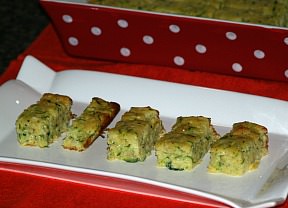 |
It seems I have always known How to Cook Zucchini; this is one of my favorite vegetables. I love it plain in salads, fried or in casseroles. I especially love it in zucchini bread! |
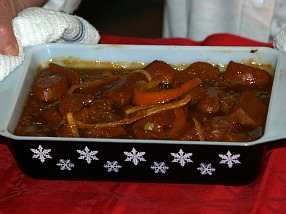 |
How to Cook Sweet Potatoes was very simple in my home when I was young; just put them in the oven and bake until tender. Now I cook sweet potatoes in many delicious “sweet” ways. |
 |
I learned How to Cook Pumpkin by using the canned pumpkin from the grocery. Later I tried using fresh pumpkins and that was really a treat but more work. |
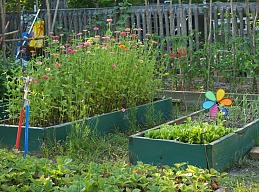 |
Everyone should experience Starting a Garden. I get so much joy out of seeing my own planted vegetables take root and grow. They taste so much better “because I grow them”. |
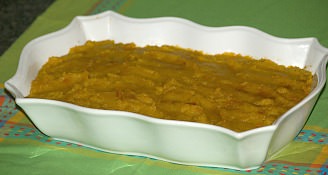 |
Learning how to cook summer squash led me to a wide variety of recipes that are interchangeable with other squash. Whatever kind you have, the recipes are great. |
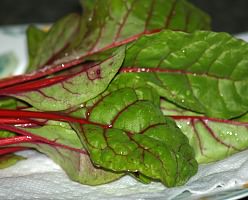 |
Learning how to cook with Swiss chard was rather difficult for me because it has not been readily available. On occasion when I can find it to purchase I do enjoy my delicious recipes. I also find it is fairly easy to grow. |
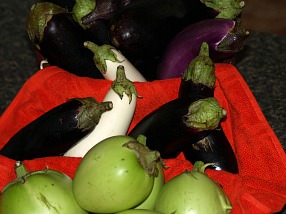 |
I had to learn to enjoy eggplant when learning how to cook vegetables; learning to soak the eggplant in salt water helped me to do this. Now I love these recipes, especially with cheeses, spicy tomato sauce and all those good Italian seasonings. |
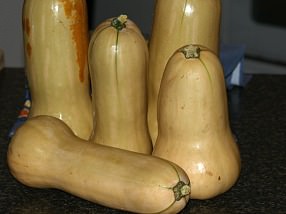 |
I learned how to cook butternut squash when I was told I could have dessert made from a vegetable. I thought this had to be healthier! It is so good! |
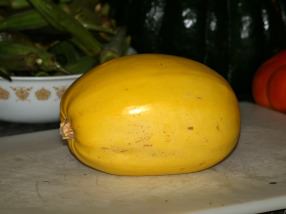 |
I learned how to cook spaghetti squash after hearing so much talk about how delicious it is. I was intrigued by the name “spaghetti” and I like it just as well. It is delicious! |
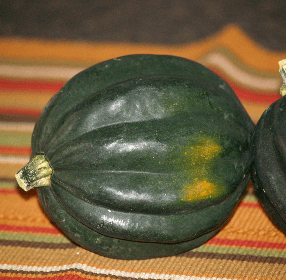 |
Learn to cook acorn squash these recipes can be sweet or savory. Make an apple stuffed squash recipes, a casserole, a roasted squash side dish or a sausage stuffed squash. |
I learned How to Cook Pumpkin Seeds from my son was he was a child. He learned from his school teacher and insisted that I try them at home. What a treat!
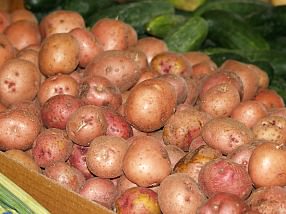 |
Cooking potatoes came naturally to everyone in my family when learning how to cook vegetables. This has always been and very economical and filling vegetable which we always had for many different recipes. |
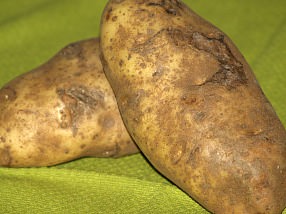 |
Preparing baking potatoes in just butter, twice bake them, Swiss style or oven fried. |
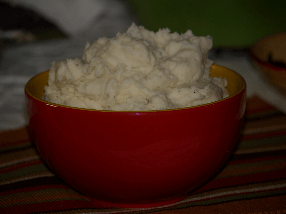 |
A mashed potato recipe are one of my favorite potato recipes as well as many other peoples. The key to good ones is to select potatoes suitable for mashing; mash the potatoes while hot, add hot melted butter and hot cream. Season well with salt and pepper and whip until very smooth. |
The best ways to store potatoes: freezing, canning or drying.
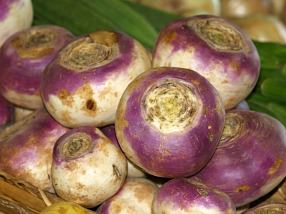 |
I always cooked turnips just like I would potatoes. Most of the recipes are interchangeable with the potato recipes. |
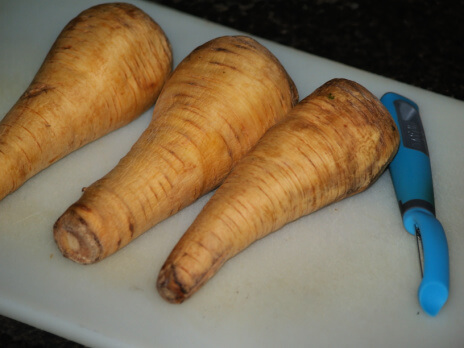 |
Learn how to make tasty parsnip recipes like the following: candied parsnips, parsnips and apple casserole, parsnip fritters, roasting pork with parsnips and a recipe for fried parsnips. |
When learning how to cook vegetables it took me learning How to Cook Beets to learn to eat them. Now I love them especially in pickled beets with eggs.
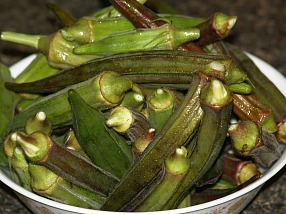 |
I learned how to cook okra after I moved to Florida. The only experience I had with this vegetable in Ohio was that it was slimy. Everyone deep fries it in Florida and it is delicious. |
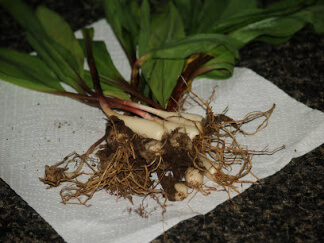 |
I had no idea what ramps were until I spent time in Tennessee. I learned here that early settlers used wild ramps to add pungent flavor to their cooking. |
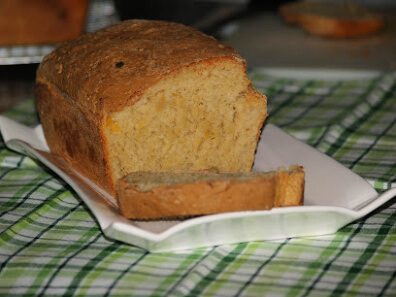 |
Learn how to cook rutabaga recipes: chili with white beans, crusty vegetable bread, hot rutabagas, clap shot recipe, Tregaron vegetable soup, vegetable soup, creamy rutabaga recipe, mashed rutabaga, pecan rutabaga and rutabaga cassoulet. |
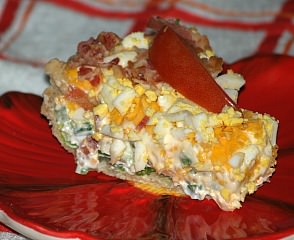 |
Learn how to make a pie with vegetables. Make a Vegetable pie recipe with a pie crust, a layered veggie pie, an onion tart, a Mexican zucchini recipe and a vegetable custard recipe. |
Eating From the Wild
is something that is so interesting to me and the interest is still
growing. I have always loved the mushrooms but I am learning of new wild
foods all the time.
Growing Shitake Mushrooms
was a great experience for me. It is so wonderful to have these fresh
mushrooms at my fingertips and the flavor is so unbelievable.
What is Watercress?
When I learned how to cook vegetables I never heard of this one. This
amazing green is so delicious and full of nutritional value that others
do not contain. This can be purchased or certain times of the year it
can be picked from the wild.
It took me eating artichokes in a restaurant for me to learn How to Cook Artichokes. They were so delicious! I had to go home and make them in my kitchen.
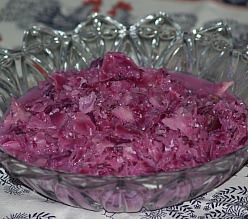
Learning How to Cook Cabbage leads you to a variety of different recipes. This vegetable is so versatile in the uses like cabbage rolls one of my favorites.
It took me a while to learn How to Cook Brussels Sprouts even though they are much like cabbage and I love cabbage. The flavor of Brussels sprouts is a little stronger than cabbage.
My sister was the first person I knew that learned How to Cook Cauliflower. We did not grow it so we didn’t cook it. My sister’s recipe with the butter, cream and cheese was very good.
For me learning How to Cook Leeks
made flavorful side dishes or added a lot of flavor to many other
dishes. The mild onion flavor can be used as a substitute for onions.
Green Bean Recipes
are some of the favorite vegetable recipes. They can be fixed in many
different ways and by adding other ingredients they are very versatile.
I learned How to Cook Kale
at a very young age because greens of all kinds are so good for you.
Kale chips were a new found recipe for me and these are terrific!
I also learned How to Cook Spinach
at a young age. I love spinach in a fresh salad, a wilted salad, cooked
with bacon or spinach pie. This is one of my favorite greens.
Everyone in my home knew How to Cook Turnip Greens. We grew lots of turnips and this is one of those vegetables when you eat the tops and bottoms.
Well seasoned Tomato Salsa Recipes are a hit at any party or served just as a snack. Try a recipe with a hot jalapeno pepper or just season with cilantro and garlic; or add some whole kernel corn. How delicious!
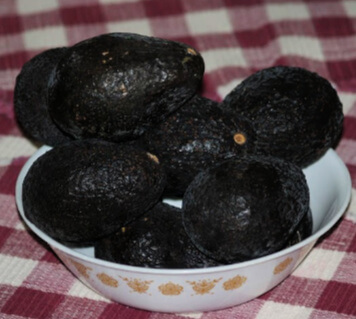 |
Prepare the best avocado recipes. Try a recipes for deep fried avocado with wasabi dressing, Ortega guacamole, an avocado pepper omelet, shrimp salad pie, avocado dip, avocado souffle, avocado egg salad, chicken corn cakes with cream sauce, avocado grapefruit salad, avocados halves and rice, and cold avocado soup. |
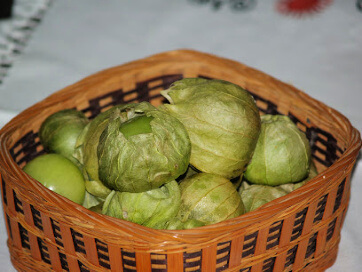 |
Prepare delicious tomatillo recipes like the following: fried tomatillos, steak salad, creamy chicken enchiladas, beef stew, green tomatillo sauce, cold fresh tomatillo gazpacho, enchilada sauce, green chili, white fish fillets, roasted tomatillos, roasted tomatillo salsa and roasted tomatillo chipotle salsa recipe. |
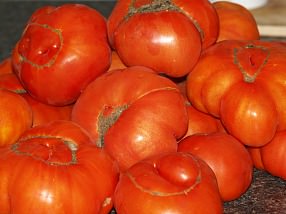 |
Recipes for fresh tomatoes right out of your garden or purchased from the farmers market are endless. Make your own roasted tomatoes to serve with salads or along side of fresh bread. Fresh tomatoes are great when chopped up in a tabboulah recipe. |
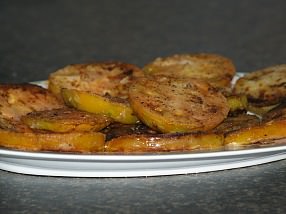 |
Find out the “truth” about the fried green tomatoes! Red or green tomatoes are delicious when fried; even tomato fritters are delicious. |
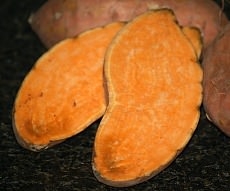 |
Learn the difference between yams and sweet potatoes. |
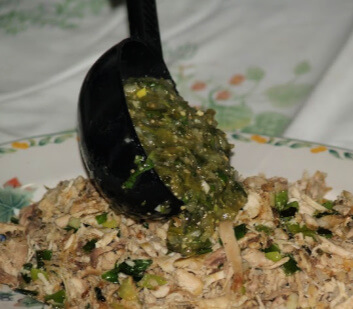 |
Prepare the best cilantro recipes: shredded chicken in cilantro sauce, black bean and corn salad, barbeque tenderloin, creamy jalapeno cilantro dressing, cilantro vinaigrette, spicy beef, pico de gallo, chili verde, Parmesan fish fillets and chicken and bean quesadillas. |
How to Buy Vegetables
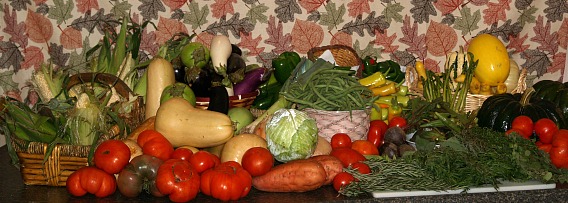
Buy fresh vegetables in their season. Most vegetables
today are in the markets all year round. Modern agriculture has greatly
extended the season for most vegetables, but many of these lack the
flavor and freshness as when purchased in their season. The time of year when you get peek flavor is important when you know how to cook vegetables.
Vegetables should be in good condition when purchasing.
Whether you are planning to eat them raw or if you are learning how to
cook vegetables, they need to be fresh, firm and ripe. Do not buy
vegetables that are old, withered, moldy or bruised, under ripe or over
ripe. If you are offered a savings to purchase such quality, you may in
the end pay more by having to discard your vegetables.
Head vegetables should be solid with only a few leaves to be
discarded. Cauliflower should be white, firm and have no blemishes.
Leafy vegetables should be crisp. Sweet peas and beans should have crisp
pods. Get to know your vegetables and buy vegetables that are of medium
size and have a normal shape these are great tips to learn when you are learning how to cook vegetables.
Buying more vegetables than you can immediately use will end up
costing you money. They deteriorate very quickly and are best cooked as
soon as they are picked from the fields. Winter vegetables such as
potatoes, sweet potatoes and winter onions can be purchased in larger
amounts if you have a place to store them that is cool, dry and
ventilated.
How to Store Vegetables
Winter vegetables should be in good condition when purchasing. They should be firm and uninjured. Most of them keep well if piled up, however members of the squash family keep better if they are spread out so as not to touch each other. Squash and sweet potatoes require a warmer climate for storage than do the other vegetables. None of the vegetables keep in too much warmth as in a room with a furnace.
Fresh summer vegetables should be refrigerated immediately if not being cooked. If you are learning how to cook vegetables, peas and corn especially should be cooked as soon as possible because they lose their sweetness rapidly. According to many instructions, greens and crisp vegetables should be washed before placing in a closed container in the refrigerator. I place my leafy vegetables immediately in the refrigerator. I buy in fairly large quantities so I wash with very cold water as I need to for use. I have found that if wash lettuce, etc. and do not dry completely, they do not hold up very long; maybe a couple of days.
Prepare for Cooking
The first step when learning how to cook vegetables is to wash all vegetables thoroughly before cooking. Even if they look clean be sure to wash. A vegetable brush is very handy and a necessity for cleaning vegetables.
Dry whole winter vegetables may be improved in flavor by soaking for a few hours before cooking. Vegetables that are pared before soaking lose some of the soluble food materials. Scrape thin skinned vegetables; pare thick skinned vegetables or remove the skin after cooking.
Many vegetables, particularly of the bud, head and fruit groups should be immersed in cold salt water for 30 minutes. This will make the fiber fresher and drive out any insects that have taken refuge in the crevices. Leaf lettuces should be washed several times in cold clean water. The leaves should be lifted out of the water rather than pouring the water off the leaves.
How to Cook Vegetables
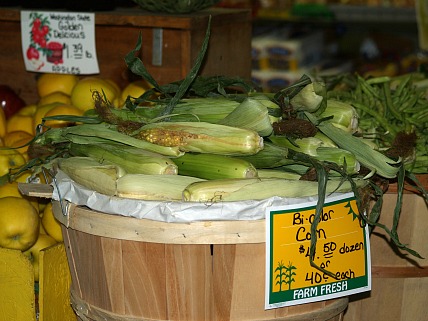 Fresh Corn on the Cob
If learning how to cook vegetables, baking
is the best way to preserve vitamins and minerals. Dry baking in the
oven in their skins used for potatoes, sweet potatoes, squash, turnips,
carrots, onions and parsnips is very simple. They are baked until just
tender enough to pierce with a sharp fork. You can also bake whole
vegetables like potatoes with meat, gravy or fat, preserving the
minerals under the skin.
Au Gratin and scallop recipes are also forms of baking when cheese, crumbs and sometimes cream are added to the recipe. If fresh vegetables are used in these recipes, they will retain their nutrition value. If precooked vegetables are use, of course it will depend on that cooking method as to whether the vegetables will have any nutritional value to begin with. Only baking in the vegetable jacket will ensure the preservation of the vitamins and minerals.
A good way to learn how to cook vegetables that can stand a high temperature for a longer period of time is steaming vegetables. This method is for vegetables like carrots, beets, parsnips, sweet potatoes and wax beans. The vitamins and minerals extracted from the vegetables will remain with the vegetables and served with them since there will be no excess liquid to be discarded.
Waterless cooking is any method of cooking fresh vegetables without added water. The water in the vegetables does the cooking. A thick kettle, pot or skillet with a tight fitting lid is the necessary equipment for the cooking. Use very low heat; the vegetables will cook quickly because none of the heat or steam escapes. No minerals are lost and the vitamin loss is as low as in baking.
The boiling method is the most frequently used method for cooking vegetables and does the most damage to the nutritional value. Most of the mineral salts occurring in vegetables are easily dissolved in water and the loss of vitamins takes place in several ways. They can be destroyed by overheating, by prolonged exposure to the air and by dissolving out in the cooking water. By draining and discarding the boiling water from the vegetables, food values go down the drain with the water. All the effort placed on buying nutritional vegetables is a waste of time.
In any case, only the smallest amount of water should be used in cooking vegetables is what you should know if you are just learning how to cook vegetables. The water should be boiling when the vegetables are dropped in. When vegetables are heated to boiling, reduce heat and cook only until tender.
How to Cook Vegetables by Boiling
Learn how to cook vegetables by boiling them properly; methods must be selected by the color of the vegetables.
Green vegetables are best cooked in an uncovered kettle in water that is slightly alkaline to retain the color. A bit of baking soda the size of a pin can be used to intensify the color. This is not recommended for continual use unless it is in a part of the country where the drinking water is always slightly acid. It will reduce the vitamin content and break down the texture. Cook vegetables only until tender because the green vegetables will turn brownish, ruin the flavor and the nutritional value of vegetables will be lost.
Fresh white vegetables such as cabbage, cauliflower and onion are strong flavored because of their oils. Hard water changes these oils turning the vegetables to yellow or brown. Add one teaspoon lemon juice or vinegar to prevent this from taking place. Add just enough water to cover vegetables and bring to a rapid boil before dropping vegetables in the water. Cook just until tender. Use the water with the rich nutrients in a soup.
Learn how to cook vegetables to preserve the red color in vegetables. This is produced by acid and needs to be kept that way. Tomatoes have some acid on their own to keep the color, but beets and red cabbage need a teaspoon of lemon juice or white vinegar to maintain the color. Cook in a small amount of water in a covered container.
Yellow vegetables are among the most valuable and stable. Yellow vegetables are actually the foundation for vitamin A. Not much can be done to the vitamin A but other vitamins and minerals can be destroyed if handled incorrectly. Cook covered in a very small amount of water.
Other good methods of how to cook vegetables include grilling, broiling, sautéing and pan frying. Depending on your taste buds, many herbs and spices can be added to these vegetables turning out delicious flavor.
HOT ASPARAGUS SALAD RECIPE
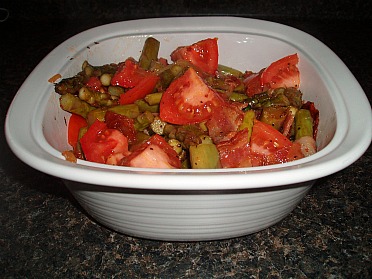
- 3 Slices bacon
- ½ Cup sliced green onions
- 3 Tablespoons vinegar
- 1 Tablespoon water
- 2 Teaspoons sugar
- ¼ Teaspoon seasoned salt
- 1/8 Teaspoon pepper
- 3 Cups fresh asparagus, cut into 1 inch pieces
- 3 Medium tomatoes cut into chunks
Cook bacon until crisp and crumble. Add the onion to the bacon drippings and cook until tender.Add vinegar, water, sugar, seasonings and bacon into the onions.Bring mixture to a boil; add asparagus, cover and cook leaving asparagus still crispy.Toss in the tomato chunks and heat thoroughly about 3 to 4 minutes. Serve hot.
SWEET PEA RECIPE
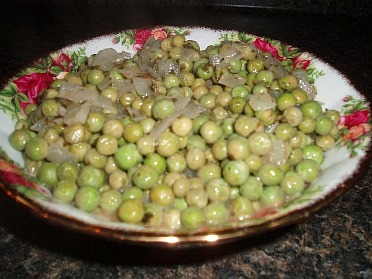
- ½ Teaspoon sugar
- ¼ Teaspoon marjoram
- ¾ Cup water
- 1/8 Teaspoon black pepper
- ½ Cup slices green onions
- 2 Tablespoons butter
- ¼ Teaspoon savory
- 1 Tablespoon parsley
- ½ Teaspoon salt
- 2 Cups fresh peas, shelled
Sauté onions in butter for 5 minutes; do not brown.Add other ingredients and cook over low heat for 20 minutes; serve hot.
Sign Up for My Monthly Newsletter to Learn More Great Tips!
What's Cooking


-
How to Make Dinner Rolls
Jan 16, 24 09:01 AM
 Learn how to make dinner rolls with many yeast roll recipes like refrigerator rolls, melt in your mouth rolls, Parker House rolls and Monticello rolls.
 -
My Best Banana Bread Recipe
Jan 16, 24 08:18 AM
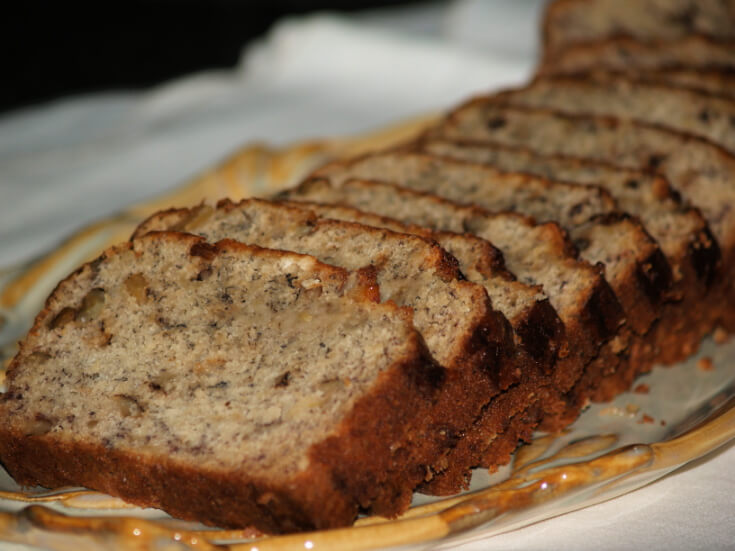 Search for the best banana bread recipe; recipes with sour cream, buttermilk, All Bran Cereal, dates, yeast, blueberries, oatmeal, cornmeal, Spanish recipes, lots of nuts and much more.
 -
Candy Recipes
Jan 16, 24 02:52 AM
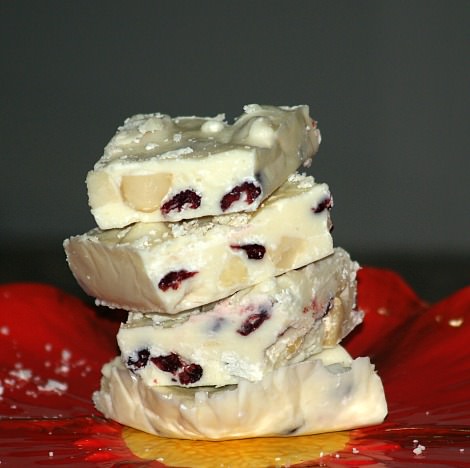 Learn the necessary candy making equipment for your candy recipes; hard tack and coconut balls.
 -
How to Make Thumbprint Cookie Recipes
Jan 16, 24 01:36 AM
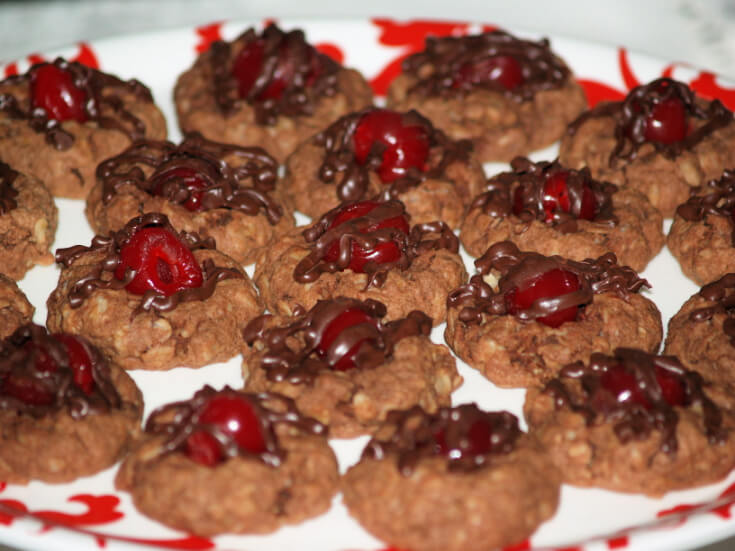 Make one of these tasty recipes for filled cookies like a thumbprint cookie recipes, cream cheese, and chocolate or peanut butter thumbprints.
 -
Christmas Candy Recipes
Jan 09, 24 01:21 PM
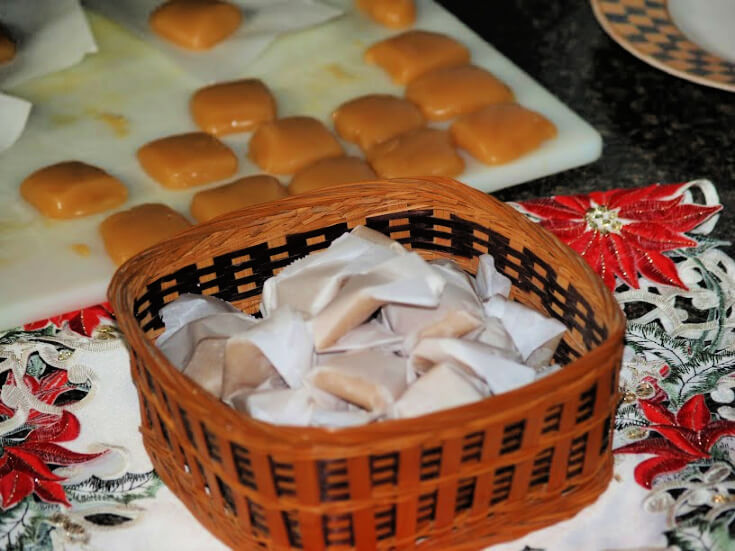 Christmas candy recipes for caramels, heavenly caramels, layered mints, peanut butter balls, English toffee, peanut brittle, coconut nougat squares, triple chocolate fudge, cranberry vanilla fudge, ch…
About Me | Contact Me | Privacy Policy/DISCLAIMER | What's New!
By Frances Peffly Moore © Copyright 2009-2024 painlesscooking.com