- Painless Cooking
- How to Cook
- Terms
General Cooking Terms
Some general cooking terms need to be learned when you learn to cook everything. When they appear in a recipe you will know immediately what they mean; poach, bake, broil or braise rather than frying. The list below is a thorough listing of terms; many you will only see occasionally in recipes but others will appear every time you cook. Knowing the difference between whip, mix, stir, and fold will certainly affect the result of your product.
Probably of the general cooking terms which have irritated me over the years is the difference between a pie, deep dish pie and cobbler. Many seem to think that a cobbler is a pie with a little more fruit, even in eating establishments. I know of one baker that takes leftover fruit pies, break them up and sell them as cobblers. These are not cobblers! When I get hungry for a cobbler, I want a cobbler! A pie is thinner, made with either a bottom crust or a bottom and top crust of pie pastry. A deep dish pie has thick fruit on the bottom and a top crust made of pie pastry. Cobblers are made with a biscuit dough.
PEACH COBBLER RECIPE (Or cherry cobbler recipe)
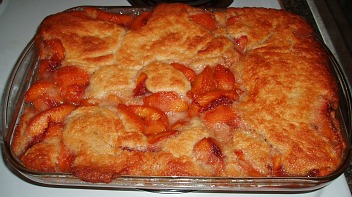
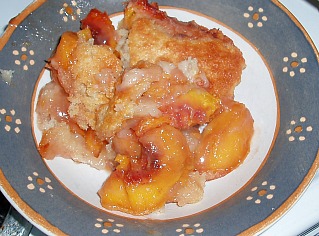
Try this recipe to see the difference between the cooking terms pie and cobbler. I made this recipe the other day when I wanted a cobbler. I made it with some of the peaches I froze but it is also good with cherries. It is delicious!
- 2 Cups flour
- 1 ½ Cups sugar
- 2 Tablespoons baking powder
- 1 Cup milk
- 4 Tablespoons softened butter
- 1 Gallon frozen peaches, thawed (You can substitute with canned fruit)
Preheat oven to 350F degrees
Butter 9 X 13 inch casserole baking dish (Best to have deep one to prevent fruit from running out. I placed a tray on the shelf below to catch drippings)
Combine flour, 1 cup sugar and baking powder, cut in softened butter.
Blend in milk, stirring to moisten; spoon batter into buttered dish or pan.
Combine peaches, juice and remaining sugar (or other fruit) in pan; bring to a boil and pour over batter.
NOTE: If fruit is sweet, cut back on sugar; this amount of sugar is for unsweetened fruits.
NOTE:When you pour hot fruit over batter, the batter will rise to the top
Bake for 50 to 60 minutes or until center is done.
One of the general cooking terms if you can vegetables during harvest is to BLANCH vegetables. This is so important to know how to do because it removes the skins on vegetables like tomatoes very easily and quickly; but if not done correctly it will cook the vegetable too much.
COOKING TERMS FROM A TO B
- A LA KING: Food such as fowl and bland meats served in a rich cream sauce.
- A LA MODE: Pie or cake served with a garnish of ice cream.
- APERITIF: A drink taken before a meal to stimulate the appetite
- APPETIZER: Small serving of food or beverage served before or as the first course of a meal.
- ASPIC: Cooking term for jellied meat, fish, or poultry stock or vegetable liquid often used for molding meat, fish, poultry or vegetables
- AU GRATIN: Topped with crumbs and/or cheese and browned in the oven or under the boiler
- AU JUS: Cooking term for meat served in its natural juices.
- AU LAIT: A French term meaning served with milk
- AU NATURAL: Food plainly cooked and served in its natural state.
- BAKE: To cook by dry heat usually in the oven. When applied to meats and vegetables, this is call roasting.
- BARBEQUE: To roast meats very slowly on a spit or rack over heat, basting with seasoned sauces.
- BARD: Cooking term to cover a bird or roast with strips of fat in order to automatically baste meat or to protect delicate parts
- BASTE: To moisten roasting meat or other food while baking with juices from the pan or additional liquid.
- BATTER: A mixture of liquid, flour, etc. that can be beaten or stirred.
- BAVARIAN: A mold cold dessert made with gelatin, eggs, cream and flavoring
- BEAT: To work a mixture smooth with regular, hard, rhythmic movements.
- BEARNAISE: Hollandaise sauce with shallots, tarragon, chervil and other seasonings added.
- BECHAMEL: Cream sauce made with chicken and veal stock.
- BIND: To use egg yolk, flour, cornstarch, etc. to thicken or smooth a liquid
- BISQUE: A rich thick cream soup usually made from fish. Also a rich frozen desert usually containing powdered nuts or macaroons.
- BLANCH: To pour boiling water over a food, then drain and rinse with cold water. Used to whiten or remove skins from almonds or to prepare vegetables for freezing.
- BLANQUETTE: A white, creamy stew of veal, chicken or lamb with small onions and mushrooms
- BLEND: To mix two or more ingredients thoroughly together.
- BOILING: Various degrees of liquid bubbling when heated.
- BOMBE: A dessert of frozen mixtures arranged and frozen in a mold
- BONBON: A sweet made of or dipped into chocolate.
- BOUILLABAISSE: A hearty stew made with several kinds of fish and shellfish
- BOUILLON: Clear delicately seasoned soup usually made from lean meat stock.
- BRAISE: To cook meat or vegetables by simmering in a covered dish in a small amount of liquid, either in an oven or over direct heat.
- BROCHETTE: Small spit or skewer used for broiling meat cubes.
- BROIL: To cook directly under a flame or heating unit or over an open fire or grill.
- BRUSH: To spread food with butter, margarine, oil or egg with a small brush.
Do you know how to CARAMELIZE? This is another of the general cooking terms you might want to remember. If this is not done correctly, it is a disaster. Turn your back and you will have a smoking burning sugar instead of sugar with a pretty caramel color.
COOKING TERMS FROM C TO D
- CAFFEINE: An alkaloidal substance found in the coffee bean, coffee leaf, tea leaf, cacao bean, etc.
- CANAPE: A small piece of bread spread with a highly seasoned food.
- CANDIED: Cooked in sugar or syrup when applied to sweet potatoes and carrots, fruit or fruit peel, to cook in heavy syrup till transparent and well coated.
- CARAMELIZED: Cooking term to heat sugar in a skillet until melted and brown or to heat foods containing sugar until light brown and of a caramel color.
- CAVIAR: Salted roe (fish eggs); originally from sturgeon.
- CAPON: A castrated male chicken; grows large and has tender meat.
- CHARLOTTE OR CHARLOTTE RUSSE:Usually a gelatin dessert with flavored whipped cream molded in a form lined with cake or lady fingers.
- CHAUD-FROID: Literally “hot-cold” gelatin sauce made with a white sauce base, used to coat cold meat, poultry and fish.
- CHICORY: The root of a plant that is cut into slices dried and roasted as coffee; leaves of plant are used for salads and are sometimes called curly endive.
- CHIFFONADE: A mixture of finely chopped fresh herbs used to season soups and salads.
- CHOP: To cut ingredients like vegetables, fruits and meats into small pieces with knife and cutting board.
- CHOWDER: A soup or stew made with fish or shellfish like clams and lobster and/ or vegetables.
- CHUTNEY: A highly seasoned relish of fruits, herbs and spices
- CIDER: The juice pressed from apples used as a beverage or to make vinegar.
- COAT: Cooking term to roll foods in flour, nuts, sugar, crumbs, etc until all sides are evenly covered; or to dip first in beaten egg or milk and then cover with flour or crumb mixture as in recipe.
- COOK: To prepare food by applying heat in any form.
- CONSERVE: Fruit preserves made with more than one fruit, often with nuts and raisins added.
- COURT BOUILLON: A richly flavored stock made from fish.
- CREAM: To beat shortening until smooth, creamy and light with wooden spoon or beater; usually applied when mixing shortening and sugar in cake making.
- COBBLER: A deep dish fruit pie with a rich biscuit dough instead of pie pastry.
- COCKTAIL: An appetizer served before or as the first course of a meal; an alcoholic beverage usually served before dinner; Fruit or vegetable juice; cut fruit or shellfish with sauce served as first course of meal.
- CODDLE: to cook slowly just under the boiling point
- COMBINE: to blend two or more ingredients together
- COMPOTE: Sweetened stewed fruit, cooked to keep the fruit as whole as possible.
- CONDIMENTS: Food seasonings such as salt, pepper, vinegar, mustard, ketchup, herbs and spices.
- CONFECTIONERS SUGAR: powdered sugar
- CONSOMME: a clear, heavily flavored soup made from stock
- CHOWDER: a thick soup usually of seafood, made with milk and vegetables
- CRACKLINGS: Crisp particles after fat has been fried out; especially in pork.
- CREAM SAUCE: White sauce made with cream.
- CREPE: Thin pancake filled and rolled.
- CRIMP: To seal the edges of a two crust pie either by pinching them at intervals with the fingers or by pressing them together with the tines of a fork
- CRISP: To make firm and brittle in very cold water or in refrigerator as with lettuce and other greens
- CROQUETTE: A mixture of chopped or minced food, usually shaped as a cone or ball, coated with egg and crumbs then deep-fried
- CROUTONS: small, hard toasted pieces of French bread used to garnish
- CRUDITES: an assortment of raw vegetables such as carrots, celery served as hors d’oeuvre often accompanied by a dip
- CRUSTACEAN: Shellfish such as shrimp, lobster and crab with segmented body covered by crusty outer skeleton
- CUBE: To cut into small chunks about ½ to 1 inch.
- CUSTARD: A cooked or baked mixture mainly of egg and milk; may be sweetened to use as dessert or flavored with cheese or meat as entrée.
- CUT: Cooking term to break up food into pieces with a knife or scissors. To combine shortening with dry ingredients using 2 knifes in scissor fashion or using a pastry cutter in pastry making.
- CUTLET: Small piece of meat cut from the leg or rib of veal or pork; or a croquette mixture in the shape of a cutlet.
- DEGREASE: To remove fat from the surface of stews, soups, or stock; usually cooled in the refrigerator, so that fat hardens and is easily removed
- DEMITASSEE: A small cup (“half cup”) of black coffee, usually served after dinner.
- DEEP DISH PIE: Fruit pie with top crust only baked in a deep dish.
- DEVIL: To coat with hot seasoning, such as mustard or hot sauce. Eggs are deviled when the yolks are mixed with seasonings.
- DEVILED: Cooking term which mean to highly seasoned
- DICE: Means to cut into very small cubes less than ½ inch using a sharp knife and cutting board or a dicing device.
- DILUTED EGG WHITE: Egg white slightly beaten and diluted with two tablespoons of cold water
- DILUTED EGG YOLK: Egg yolk slightly beaten and diluted with two tablespoons of cold water
- DISSOLVE: To disperse a dry substance in a liquid to form a solution
- DOT: To scatter small amounts of butter, nuts, chocolate etc over the surface of food.
- DOUGH: Mixture made of liquid, flour, etc. that is stiff enough to be handled or kneaded.
- DREDGE: To coat food with dry ingredients like seasoned flour or sugar.
- DRIPPINGS: Fat or liquid resulting from cooking meat.
- DURUM: A wheat variety used in making high-quality spaghetti and other pastas
- DUST: To sprinkle lightly, usually with flour or sugar
Cooking term like to fold is very important in a recipe. If this is not done correctly as in an Angel Food Cake, the cake will not be light in texture as the cake should be. So you can understand how important it is to understand general cooking terms.
COOKING TERMS FROM E TO G
- ÉCLAIR: Small finger shaped pastry filled with custard or whipped cream.
- ENRICH: to add eggs, cream or butter
- ENTRÉE: main dish of an informal meal or a subordinate dish served between main courses.
- FILET MIGNON: Tender cross cut slice of beef from the tenderloin.
- FLAKE: To break slightly into small pieces with a fork
- FLAMBE: to flavor food with an alcoholic liquid which is lit and burned away, leaving its flavor
- FLORENTINE: Dishes or soups containing spinach
- FOI GRAS: Literally “fat liver” usually applied to goose liver
- FOLD: To make large slow motions with spoon when blending; usually used when blending stiffly beaten egg whites.
- FONDANT: Sugar and water mixture cooked to a soft ball stage (234F degrees) cooled and kneaded.
- FONDUE: Baked food similar to a soufflé but including bread or cracker crumbs.
- FRAPPE: Sweetened fruit juice frozen until mushy consistency.
- FRICASSEE: Cooking term to stew meats, poultry, etc in stock or sauce.
- FRITTERS: Fruit, vegetables, meat or fish covered with batter or chipped and mixed with batter and then usually fried.
- FROSTING: A cooked or uncooked sugar mixture used to cover and decorate cakes, cookies and other foods.
- FRY: To cook in small amount of fat on top of stove to produce food with a crisp golden brown crust.
- GARNISH: To decorate any foods. Nuts, olives, parsley, fruit etc are referred to as garnishes.
- GELATIN: A purified protein found in connective tissues and bones of animals.
- GIBLETS: The heart, liver and gizzard of poultry.
- GLACE: To coat with a thin coat of syrup cooked to the crack stage.
- GLAZE: Cooking term to coat with thin sugary syrup
- GOULASH: A thick meat stew originating in Hungary.
- GRATE: To grind into particles by scraper on a rough object like a “grater”.
- GRENADINE: Pomegranate-flavored syrup used as flavoring or a sauce
- GRILL: To broil food; used when cooking food on a “grill”.
- GRIND: Means to put food through a chopper usually consisting of two or three blades.
- GUMBO: A richly flavored soup thickened with okra.
Many people have problems understanding cooking terms like meringue; when beating egg whites. Do you know the difference in general cooking terms like mix and stir?
COOKING TERMS FROM H TO M
- HOISIN SAUCE: A thick sauce made of soy beans and seasonings used in Chinese cooking
- HOLLANDAISE: A rich sauce made of eggs and butter, served hot with vegetables, fish and eggs.
- HORS D’OEUVRES: Salty, tart or crisp foods served as appetizers such as canapés, fish, pickles, olives, celery, sausage etc.
- ICE: Frozen mixture of juice, sugar and water.
- INFUSION: Liquid extracted from coffee, tea or herbs.
- JARDINIERE: French term to garnish with vegetables
- JULIENNE: To cut vegetables, fruits, or cheeses into match shaped slivers
- KIRSCH: Cherry liqueur mainly produced in Switzerland.
- KISSES: Tiny dessert meringues.
- KNEAD: To work and press dough with the heels of your hands so the dough becomes elastic and smooth; usually used in yeast dough.
- LEAVENING AGENTS: Gas forming agents usually used in baking to produce lightness and volume; yeast, baking powder, baking soda
- LEGUMES: Vegetable seeds as peas, beans and lentils, usually referred to in the dried state.
- MACAROONS: Small cakes made with egg whites, sugar and ground almonds or almond paste.
- MACUERITE: A salted cracker spread with boiled frosting, sprinkled with nuts, coconut and chocolate pieces and baked until golden.
- MARINADE: A mixture of oil and acid which is used to soak food for flavor and tenderness
- MACEDOINE: A mixture of fruits and vegetables
- MARINATE: To soak (in marinade) in dressing, vinegar, juices, wines or combinations before cooking.
- MARRON: Chestnut. Marron glazes are chestnuts preserved in syrup or candied
- MARZIPAN: A paste of sweet almond and sugar.
- MELT: To heat solid food until it melts like sugar or fat.
- MERINGUE: A mixture of stiffly beaten egg whites, flavoring and sugar; used on pies etc.
- MINCE: Means to cut food in pieces but finer than chopped; can use sharp knife and cutting board or mincing utensil.
- MEUNIERE: With sauce of butter, lemon juice and parsley or dredged in flour and sautéed in butter
- MINISTRONE: Thick Italian vegetable soup.
- MIX: to combine ingredients, usually by stirring, till evenly distributed
- MOCHA: A flavoring made with coffee infusion and chocolate.
- MOLLUSK: Shellfish such as clams and oysters, with soft unsegmented bodies protected by a hard shell
- MOUSSE: Mixture of whipped cream, sugar and flavoring frozen without stirring; or flavored thin cream and gelatin combined with meats, fruits and vegetables.
- MUFFINS: A drop batter baked in individual pans or served as quick bread.
COOKING TERMS FROM O TO S
Do you know of a difference between cooking terms like parboil verses precook?
- OEUF: French word for egg
- PAN BROIL: To cook uncovered on hot surface usually a skillet; the fat is poured off as it accumulates.
- PANCAKE: a battercake fried on both sides on a griddle; sometimes called griddle cakes.
- PARBOIL: To boil food until partially cooked.
- PARE: To remove the outermost skin of a fruit or vegetable
- PARFAIT: A frozen dessert made of a foundation of beaten egg whites or yolks cooked with hot syrup sometimes with whipped cream added; also applied to ice cream and syrup, all served in parfait glasses.
- PATE DE FOIS GRAS: A smooth richly seasoned pate made from goose livers.
- PATTY SHELLS: Shells made from puff pastry and filled with creamed shellfish, chicken etc.
- PEEL: Outside skin surrounding fruits and vegetables; to remove this skin.
- PETIT FOURS: Very small iced all over cakes; served for teas and parties.
- PILAF: A main dish made with meat, fish or poultry and rice, vegetables and spices.
- PIPE: To ornament with a decorating tube
- PLANK: To bake or broil meat, fish and vegetables on a wooden “plank”. Untreated wooden planks are often used on gas or charcoal grills. They are soaked in water for an hour, and then the food is put on the plank and grilled.
- POACH: Means to cook eggs, fish, and vegetables in liquid at or below simmering point or cook eggs over water in special “poaching pan”.
- POT ROAST: To brown meat in a small amount of fat, then finish cooking in a small amount of liquid. Cook in a deep heavy covered kettle or Dutch oven usually using tough cuts of meat.
- PRAWN: Term used on the West Coast for large shrimp
- PRECOOK: To cook food partially or completely before final cooking or reheating
- PREHEAT: To heat oven to desired temperature before product goes in. (Note: If recipe does not instruct otherwise, the oven is always preheated.)
- PUREE: A smooth thick liquid made by pressing cooked fruit or vegetables through a sieve.
- RAGOUT: A thick highly seasoned stew.
- RAMEKINS: Small individual casserole dishes.
- RAREBIT: A mixture of cheese, eggs, seasonings and white wine sauce usually served over toast.
- RAVIOLI: Large noodles filled with finely minced meat, vegetables or cheese, and then cooked in boiling water or stock.
- REDUCE: To boil a liquid until you have a small concentrated amount.
- REFRESH: To run cold water over food that has been parboiled, to stop the cooking process quickly
- RELISH: A highly seasoned food served as an accompaniment
- RENDER: to melt down solid fats to get liquid oil
- RISSOLE: A nicely seasoned meat mixture wrapped in rich pastry and fried in deep fat.
- ROAST: To cook meat or vegetables in an oven by dry heat with no lid or covering.
- ROE: Fish eggs
- ROLL: To place on a board and spread thin with a rolling pin
- ROUX: A blended mixture of melted fat and flour, used to thicken a liquid
- SAUTE: To brown or cook in a small amount of hot shortening
- SCALD: To heat liquid to a temperature just below the boiling point; to immerse food in boiling liquid for a short time. (SEE VIDEO FOR DEMONSTRATION)
- SCALLOP: To bake food, usually in a casserole, with sauce or other liquid and crumbs are often sprinkled on top
- SCALLOPINE: Small, thin pieces of meat
- SCORE: To make light cuts or gashes in surface of food, usually meat like ham.
- SCRAMBLE: To stir or mix food gently while cooking as in “scrambled eggs”.
- SEAR: To cook at very high temperature for a short time in order to quickly form a brown crust on the outer surface of the meat
- SHERBET: Frozen mixture of fruit juice, sugar, egg whites and milk or water.
- SHIRR: To break eggs into a dish with cream or crumbs and then bake.
- SHRED: To cut into very small thin slices or strips.
- SIFT: To put try ingredients through a fine sieve
- SIMMER: To cook in liquid just below boiling point.
- SKEWER: To fasten with metal or wood pens
- SLIVER: To cut or shred into lengths.
- SMORGASBORD: Swedish appetizer or entrée course consisting of a large variety of foods usually set up as a buffet.
- SOUFFLE: A dish made very light and puffy by the addition of beaten egg whites
- STEAM: Means to cook by “steam” in a closed container. A container of liquid can be placed in a large pot with a rack over top; then the food is placed on the rack and covered with a lid. It can also be done in a covered skillet over low heat (Example: after washing spinach, place in covered skillet until it wilts).
- STEEP: To let food stand in (hot) liquid to extract or enhance flavor, like tea in hot water or poached fruit in sugar syrup
- STIR: To mix ingredients with a circular motion until well blended or of uniform consistency
- STOCK: Liquid in which meat, fish, poultry or vegetables (or combination of any of these) has cooked
- STERILIZE: To heat in boiling water or steam for at least 20 minutes until living organisms are destroyed.
- STEW: To cook foods, in enough liquid to cover, very slowly always below the boiling point.
COOKING TERMS FROM T TO Z
- TABLE D HOTE: Set-price menu in a restaurant consisting of several of several courses
- TIMBALE: A mixture made with unsweetened custard base and baked in custard cups or timbale molds
- TOAST: To brown by direct heat or in a hot oven
- TORTE: Rich layers of cake made with crumbs, eggs, nuts and topped with whipped cream and fruits.
- TOSS: To tumble ingredients lightly with a lifting motion.
- TOURNEDOS: Filet of beef steak
- TRUFFLES: Fungus that grown underground, used for garnishing and flavoring.
- TRUSS: To tie a fowl or other meat so that it will hold its shape during cooking; or to hold stuffing in.
- TUTTI FRUTTI: A mixture of many kinds of fruits.
- VELOUTE: Rich white wine sauce made with ham, chicken or veal stock, seasoned with bouquet garni.
- VINAIGRETTE: Dressing made of oil, vinegar and seasonings.
- VOL AU VENT: Patties of puff paste to be filled with meat, fish or poultry.
- WHIP: To beat briskly by hand using a whipping utensil (some call whisk)
- WHITE SAUCE: (after whip) A combination of butter, flour, milk, cream or stock, seasoned and cooked until smooth and creamy.
- ZABAGLIONE: Delicate dessert made of beaten eggs and wine
Knowing these general cooking terms will help you understand the recipe you are preparing. You might want to print this list out if you will be doing a lot of cooking; mark the general cooking terms and start by memorizing those.
Sign Up for My Monthly Newsletter to Learn More Great Tips!
What's Cooking


-
How to Make Dinner Rolls
Jan 16, 24 09:01 AM
 Learn how to make dinner rolls with many yeast roll recipes like refrigerator rolls, melt in your mouth rolls, Parker House rolls and Monticello rolls.
 -
My Best Banana Bread Recipe
Jan 16, 24 08:18 AM
 Search for the best banana bread recipe; recipes with sour cream, buttermilk, All Bran Cereal, dates, yeast, blueberries, oatmeal, cornmeal, Spanish recipes, lots of nuts and much more.
 -
Candy Recipes
Jan 16, 24 02:52 AM
 Learn the necessary candy making equipment for your candy recipes; hard tack and coconut balls.
 -
How to Make Thumbprint Cookie Recipes
Jan 16, 24 01:36 AM
 Make one of these tasty recipes for filled cookies like a thumbprint cookie recipes, cream cheese, and chocolate or peanut butter thumbprints.
 -
Christmas Candy Recipes
Jan 09, 24 01:21 PM
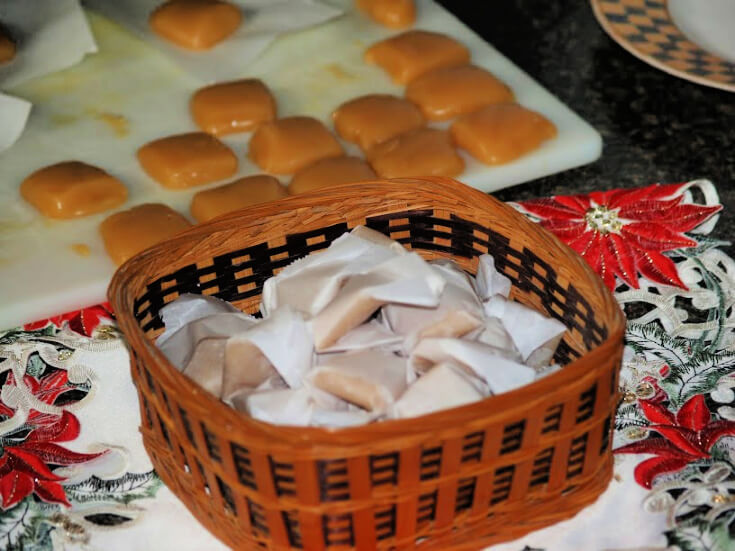 Christmas candy recipes for caramels, heavenly caramels, layered mints, peanut butter balls, English toffee, peanut brittle, coconut nougat squares, triple chocolate fudge, cranberry vanilla fudge, ch…
About Me | Contact Me | Privacy Policy/DISCLAIMER | What's New!
By Frances Peffly Moore © Copyright 2009-2024 painlesscooking.com