- Painless Cooking
- International Foods
- How to Make Italian Recipes
How to Make Italian Recipes
Before learning how to make Italian recipes, one needs to know something about the history of Italian food. The history of Italian food has had a large impact on the traditional Italian foods and the Italian recipes which have been handed down through the generations.
The way of
cooking Italian food can be traced all the way back to ancient Rome. The diet back then for the average people was very plain
and simple in keeping with the strictness and severity of the early
Christian customs. They upheld the moral values of frugality and
simplicity. It was based on some type of bread and an abundance of
legumes, beans, lentils, turnips, beets, cabbage, lettuce, figs, prunes
and grapes. The people in the country might add eggs to their diet.These
average people are what makes learning how to make Italian recipes so
special.
When learning how to make Italian recipes, you will learn that the food from Italy is all about the freshest possible ingredients; whether it is the Italian spices and herbs, the delicious Italian cheeses, the best olive oil or the highest quality meats. All of the these ingredients is what makes a stromboli recipe so delicious!
Probably the two most important ingredients in the Italian kitchen are garlic and onions which makes an Italian pizza. No Italian cook that knows how to make Italian recipes will be without these; first because of the essential flavor necessary in the Italian recipes but also for the medicinal uses passed down through generations. Garlic is so important that it is baked and then spread on toast in place of butter.
Sea salt and fresh ground black pepper are staples in the Italian cooking as well as fresh herb such as basil, bay leaf, oregano and parsley. Some other common flavors come from fennel, marjoram, rosemary, saffron, sage and thyme. Nutmeg and cinnamon are used in food from Italy, especially in the delicious Italian dessert recipes; as well as mint and vanilla.
When you know how to make Italian recipes, you will certainly want to incorporate the wonderful Italian cheeses in your recipes as well as the perfect wine. Italians have been making cheese for thousands of years. Depending on the location in Italy where the cheese comes from will vary the flavor greatly, although all very delicious. Most of us are familiar with the Provolone, Ricotta, Parmesan and Mozzarella cheeses, but there are many more. The Asiago and Bel Paese are semi soft and great for cooking. Caciocavallo, Gorgonzola, Fontina and Pecorino are primarily table cheeses.
Olive oil is a “must” for Italian cooking. Virgin olive oil and extra virgin olive oil are suited for Italian recipes which require no cooking. Pure olive oil, which is a blend of virgin olive oil and refined oil, is for cooking.
Now that we know how to make Italian recipes, let us break the recipes down into some well known and loved categories. All Italian food lovers know about the antipasti recipe. It means before the meal which is a starter before the main meal (or appetizer recipe).
Most popular are the Italian pasta recipes served with a variety of sauce recipes. Pastas come in all sizes and shapes; thick and thin. There is pasta stuffed with different cheese or made with cheeses and mashed potatoes. This is an area where the imagination runs wild when you know how to make Italian recipes. To go with all these pastas also are many sauce recipes; from oil and garlic, heavy cream and cheese sauces to traditional tomato base sauces like Puttanesca recipe.
The next category of food from Italy is the soups ranging from light broth base soups to the heartier full of meats, poultry and fish with vegetables and pastas. Most of us are familiar with the bean and pasta soup called Pasta Fagioli and the Italian Wedding Soup.
Main courses or entrée recipes when you know how to make Italian recipes can be just the previously mentioned pasta and cheese recipes, or dishes made from locally harvested seafood. Many recipes include beef, pork and chicken. Lamb is also served but is synonymous with Easter in Italy.
We must not forget the wonderful Italian breads which are served with every meal. Panatone is among the favorites. Also very popular is the braided Italian Easter bread served for Easter in Italy along with other Italian breakfast food. As in most countries the favorite part of the food is the dessert recipes. Unlike here in the United States, desserts are not always served with a meal but usually homemade for special occasions.
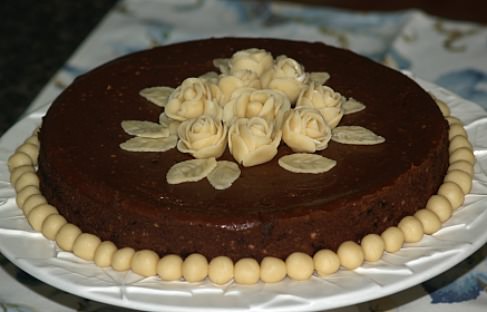
RICH CHOCOLATE AMARETTO CHEESECAKE RECIPE is one you can add to your list when learning how to make Italian recipes
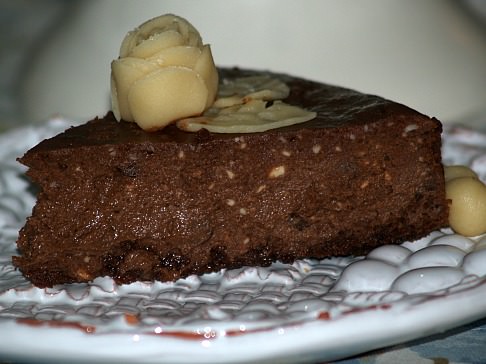
When you learn how to make Italian recipes, you will see that cheesecake recipes are one of the favorite desserts.
- 2 Cups finely crushed chocolate cookies
- 2 Packages (8 ounces each) softened cream cheese
- 2 Cups sugar
- 2 Cups ricotta cheese
- 1/2 Cup plus 4 tablespoons unsweetened cocoa powder
- 1/2 Cup flour
- 1/2 Cup amaretto
- 2 Teaspoons vanilla extract
- 1/2 Teaspoon salt
- 2 Eggs beaten
- 4 Tablespoons semi sweet mini chocolate chips
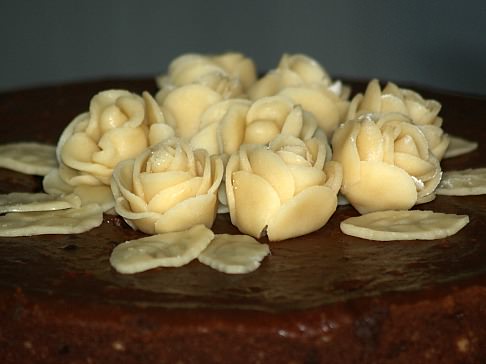
- Almond paste flowers OPTIONAL GARNISH
Preheat oven to 300 F degrees.
Sprinkle cookie crumbs in bottom of buttered 10 inch spring form pan; set aside.
Combine and mix cream cheese, sugar, ricotta cheese until smooth.
Add cocoa, flour, amaretto, vanilla, salt and eggs; beat until well blended.
Fold in chocolate chips; slowly pour mixture over cookie crumbs.
Bake for 90 minutes or until cheesecake is set in center.
Cool completely in pan; chill for 8 hours before removing sides and serving.
OPTIONAL: How to Make Almond Paste Mixture: Combine 1 can (8 ounces) almond paste with ½ cup powdered sugar and ½ cup of cornstarch. Blend with fingers until crumbly. Add 3 tablespoons of corn syrup and blend thoroughly. Turn mixture out on work surface and knead until smooth. Wrap in plastic wrap tightly and let stand for 1 hour. Roll and shape into flowers as you desire just like shaping fondant.
COCONUT CHEESECAKE RECIPE
- 1 Cup flaked toasted coconut
- ½ cup ground pecans
- 2 Tablespoons melted butter
- 3 Packages (8 ounces each) softened cream cheese
- ½ Cup sugar
- ½ Teaspoon vanilla
- ¼ Teaspoon almond extract
- 3 Eggs
- 1 Egg white
- ½ Teaspoon vanilla
- 1/3 Cup sugar
- 2/3 Cup flaked toasted coconut
Combine 1 cup toasted coconut, ground pecans and melted butter.
Press into bottom 9 inch spring form pan.
Beat cream cheese gradually adding the ½ cup sugar, ½ teaspoon vanilla and almond extract; beat until fluffy.
Add the eggs and beat until well blended; pour into crust and bake at 350F degrees for 35 minutes.
Beat egg white in small bowl until soft peaks adding the 1/3 cup sugar and vanilla.
Fold in the 2/3 cup toasted coconut and spread over cheesecake; bake 20 minutes longer.
Remove from oven and cool; refrigerate at least 4 hours before serving.
GOAT CHEESE APPETIZER
Learn how to make Italian recipes using the plentiful goat cheese.
- 2 Tablespoons cracked black pepper
- 11 Ounces goat cheese log
- 2 Tablespoons extra virgin olive oil
- Fresh rosemary sprigs as garnish
Sprinkle black pepper on wax paper; roll goat cheese over pepper to coat.
Drizzle with olive oil and garnish; serve with toasted baguette slices.
STRAWBERRY GELATO RECIPE
Learn how to make Italian recipes like this delicious Italian dessert.
- 5 Teaspoons unflavored gelatin
- 1 ½ Cups sugar
- 4 Cups milk
- 2 Cups instant non fat milk powder
- 2 Package (10 Ounces each) frozen sliced strawberries (Thawed)
- ¼ Cup Kirsch liqueur
- ¼ Teaspoon red food coloring
In large saucepan mix gelatin and sugar thoroughly.
Stir in the milk and dry milk powder.
Stir over low heat until dissolved; set aside to cool.
Place strawberries and Kirsch in food processor.
Add food coloring; process until smooth.
Strain through a sieve; stir into cooled milk.
Pour mixture into freezer trays; freeze until firm (2 to 3 hours).
Spoon into a bowl; allow to soften slightly and whip with mixer until smooth.
Spoon into serving dishes; serve immediately.
Makes about 2 quarts.
PROSCIUTTO PARMESAN PULL PART LOAF
Learn how to make Italian recipes like this delicious stuffed bread.
- 1 Loaf (16 Ounces) unsliced Italian read
- ¾ Cup softened butter
- ½ Cup coarsely chopped prosciutto
- 1/3 Cup grated Parmesan cheese
- 2 Tablespoons chopped fresh basil
- ½ Teaspoon freshly ground pepper
Preheat oven to 375F degrees.
Slice bread in a crisscross pattern making diamond shapes.
IMPORTANT NOTE: Cut TO but not through the bottom of bread.
Combine the butter, prosciutto, cheese, basil and pepper.
Mix until well blended; spread between the cuts of bread.
Place loaf on ungreased baking sheet; bake until hot.
VEAL TETRAZZINI RECIPE
- 3 Pounds boned shoulder veal roast
- 2 Peeled carrots
- 1 Large sliced onion
- 5 to 6 Celery tops
- 1 Tablespoon salt
- 4 Black peppercorns
- 1 Package (8 Ounces) spaghetti (Cooked)
Sauce
- 1/3 Cup butter
- 1/3 Cup finely chopped green pepper
- 1/3 Cup finely chopped onion
- 1/3 Cup flour
- 2 ½ Cups reserved veal broth
- 1 ½ Teaspoon salt
- 1 Can (6 Ounces) sliced mushrooms (Drained)
- 1/2Cup light cream
- ½ Cup sherry
- 1 ½ Cups shredded Parmesan cheese
Wipe veal with damp paper towels; place in kettle with 2 quarts water
Add carrots, onion, celery, salt and pepper; bring to a boil.
REDUCE HEAT to simmer; cover and cook 1 ½ TO 1 ¾ hours until tender.
Remove from heat and let veal cool in liquid.
Cut veal in ½ inch cubes; strain liquid reserving 2 ½ cups for sauce.
PREHEAT OVEN 350F degrees.
FOR SAUCE melt butter in medium saucepan.
Sauté green pepper and onion about 5 minutes until tender.
Remove from heat; stir in flour until smooth.
Slowly stir in veal broth; stir and bring to a boil.
REDUCE HEAT and simmer 1 minutes until thickened and smooth.
Add the salt, cream and sherry; stir and simmer 3 minutes longer.
Layer half of the cooked spaghetti in casserole baking dish (12X8X2 inches).
Top with half of the veal; top with half the sauce and ½ cup of cheese.
Repeat layering with spaghetti, veal, sauce and cheese.
Bake 20 to 25 minutes until bubbly and cheese is golden.
Sign Up for My Monthly Newsletter to Learn More Great Tips!
Plus Receive a free guide "Cooking for a Crowd"!
What's Cooking


-
How to Make Chocolate doughnuts
Jul 02, 25 07:44 AM
 Try one of these recipes for chocolate doughnuts like baked yeast with chocolate glaze, Indian fried bread, easy donuts or beignets.
 -
How to Cook Greek Food
Mar 19, 25 08:21 AM
 Learn how to cook Greek food like olive balls, salad, fried cheese, stuffed grape leaves, lamb stew, cheese filled triangles, endive with lemon sauce, pita bread and honey walnut balls.
 -
How to Make a Crusty Bread Recipe
Mar 19, 25 08:08 AM
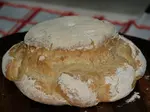 Learn how to make a crusty bread recipe for fennel, mushroom, Irish oat, honey wheat, country, raisin wheat, old fashioned cottage, French, onion and Crusty hard rolls.
 -
How to Make Irish Cakes
Mar 19, 25 07:55 AM
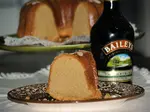 Select one of these delicious Irish cakes like the green Waldorf Astoria cake, rhubarb custard cake, lime Jello cake, apple coffee cake and Irish cream pound cake.
 -
How to Make Meatloaf
Mar 01, 25 01:50 PM
 Learn how to make meatloaf with recipes for variations of a basic loaf, Italian seasoned, sweet and sour or try a turkey loaf.
About Me | Contact Me | Privacy Policy/DISCLAIMER | What's New!
By Frances Peffly Moore © Copyright 2009-2026 painlesscooking.com