- Painless Cooking
- Grains
- Millet
What is Millet?
What is millet? Quite possibly the first domesticated grain, millet has been cultivated by humans for thousands of years and is a food staple in many semi-arid regions of the world. Millet is considered one of the most important cereal grains in the world in regards to sustaining life and remains a vital part of diets consumed by those living in Africa, India, Egypt, China and Manchuria.
Resembling maize in appearance, most types of millet are stiff, tall grasses growing up to ten feet high, but some other kinds of millet may grow only one foot tall. Surrounding the seeds are brown, white or tan hulls; seeds themselves are contained on spiky clusters around five to 13 inches long. Millet must be hulled first before it can be consumed since the hull is indigestible, but this process of hulling does not reduce the amount of nutrients.
What is Millet: Millet in the United States
In the late 1800's, millet was brought to the United States by
immigrants and utilized by pioneers branching out in the west. What is
millet became a commonly asked question for a while and was considered a
sort of "superfood" by consumers. Soon, however, it became used as
primarily livestock feed, since the climate in the U.S. can sustain
other cereal grains such as corn and wheat. But millet is gaining in
popularity due to its rediscovered nutritional values, with consumers
steadily opting to implement the grain into their diet.
Although we have known of the existence of millet since prehistoric times, in addition to its health benefits, genuine research into its nutritional values has been scant. With the question of what is millet remaining generally unanswered, what little information we do have indicates that millet is a versatile and nourishing cereal grain that may contribute to preventing modern health problems such as heart disease, high cholesterol and hypertension.
Nutritional Benefits of Millet
Answering the question of what is millet means discussing its health benefits. Millet is rich in protein like wheat, with both of these grains providing around 10% to 11% of protein by weight. Millet is especially rich in niacin, folic acid, iron, calcium, potassium, B6 and zinc. Because millets grains are gluten-free, they cannot be used in baking raised bread unless you mix millet with wheat which can produce raised bread. In addition, millet is not allied with wheat so can be eaten by those suffering from celiac disease.
Cooking with Millet
Preparing millet for cooking consists of washing and toasting the grains, then boiling millet in water flavored with salt or sugar for about 30 minutes until grains have absorbed the water. Millet is fluffy when the amount of water is reduced, while it emerges as somewhat moist and heavier when boiled in extra water. In addition, you can lessen cooking time if you presoak the grains for about ten minutes. As a rule, cooking with grains also follows these guidelines of presoak, toasting, and then boiling in salt or sugar water.
HEALTHY MUFFIN RECIPE made with millet flour
Many millet recipes use millet flour, such as this recipe for millet muffins:
- 1-1/2 Cups Millet flour
- 1/2 Cup soy flour
- 1 Tablespoon baking powder
- 1/2 Teaspoon salt (optional)
- 1/4 Teaspoon orange flavoring
- 1 Cup water or orange juice
- 1/4 Cup vegetable oil
- 1/4 Cups brown rice syrup or honey
Mix all of the dry ingredients first, and then mix wet ingredients in a separate bowl. Combine the wet and dry ingredients and hand-stir until all ingredients are blended well. Bake at 350 f degrees for about 20 minutes.
WHEAT GERM MILLET BREAD RECIPE
- ½ Cup wheat germ
- 1 Cup cracked millet
- 1 ¾ Cup boiling water
- 1 Package dry yeast
- ¼ Cup warm water (About 112F degrees)
- ¼ Cup honey
- 2 Teaspoons salt
- 2 Tablespoons vegetable oil
- 3 to 4 Cups whole wheat flour
Combine wheat germ and cracked millet in large bowl: pour boiling water over the top and set aside.
Sprinkle yeast over warm water and set aside.
Add honey, salt and oil to millet mixture.
When millet mixture has cooled to warm (about 112F degrees) add yeast and 1 ½ cups of flour.
Beat with electric mixture until blended; turn dough out onto floured work surface.
Knead in enough of the remaining flour to make a smooth dough.
Place in an oiled bowl turning to coat all sides.
Cover bowl with plastic wrap and towel; place in warm spot to rise about 1 hour or until doubled.
Punch down dough and shape into 2 loaves; place in 2 greased loaf pans.
Let dough rise again for about 1 hour; PREHEAT OVEN to 375F degrees.
Bake loaves about 50 minutes; remove from pans and cool on rack.
MILLET CORN PUDDING
- 2 Tablespoons butter
- ¼ Cup flour
- 1 ½ Cups milk
- ¾ Teaspoon dried basil
- 1/8 Teaspoon nutmeg
- ½ Teaspoon salt
- 1 ½ cups fresh corn kernels
- 1 Cup cooked millet
- 1 Beaten egg
- 1 Beaten egg white
- ½ Teaspoon hot sauce
- ¼ Cup shredded Cheddar cheese
Preheat oven to 350f degrees.
Grease 1 ½ quart casserole baking dish; set aside.
Melt butter in medium size saucepan over medium heat.
Add flour; cook and stir until golden and bubbly about 2 minutes.
Stir in milk and next 3 ingredients; bring just to a boil.
Cook and stir until smooth and thickened about 2 minutes.
Stir in corn and simmer 5 minutes; remove from heat.
Let mixture stand 5 minutes; stir in the millet.
In small bowl beat the egg, egg white and hot sauce.
Add the egg mixture to the corn mixture mixing well.
Pour the pudding into the prepared casserole baking dish.
Sprinkle the cheese over the top.
Bake 30 to 35 minutes until center is almost firm.
Remove from oven and let stand 10 minutes before serving.
Serves 4.
Because this grain is so versatile and beneficial to life, the question of what is millet also involves the importance of realizing the magnitude this grain has had in preventing starvation from occurring all over the world.
Sign Up for My Monthly Newsletter to Learn More Great Tips!
What's Cooking


-
How to Make Dinner Rolls
Jan 16, 24 09:01 AM
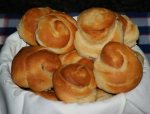 Learn how to make dinner rolls with many yeast roll recipes like refrigerator rolls, melt in your mouth rolls, Parker House rolls and Monticello rolls.
 -
My Best Banana Bread Recipe
Jan 16, 24 08:18 AM
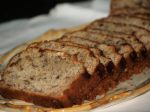 Search for the best banana bread recipe; recipes with sour cream, buttermilk, All Bran Cereal, dates, yeast, blueberries, oatmeal, cornmeal, Spanish recipes, lots of nuts and much more.
 -
Candy Recipes
Jan 16, 24 02:52 AM
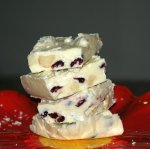 Learn the necessary candy making equipment for your candy recipes; hard tack and coconut balls.
 -
How to Make Thumbprint Cookie Recipes
Jan 16, 24 01:36 AM
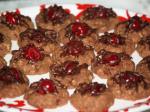 Make one of these tasty recipes for filled cookies like a thumbprint cookie recipes, cream cheese, and chocolate or peanut butter thumbprints.
 -
Christmas Candy Recipes
Jan 09, 24 01:21 PM
 Christmas candy recipes for caramels, heavenly caramels, layered mints, peanut butter balls, English toffee, peanut brittle, coconut nougat squares, triple chocolate fudge, cranberry vanilla fudge, ch…
About Me | Contact Me | Privacy Policy/DISCLAIMER | What's New!
By Frances Peffly Moore © Copyright 2009-2024 painlesscooking.com